
Between Humanity
Play Between Humanity
Between Humanity Screenshots

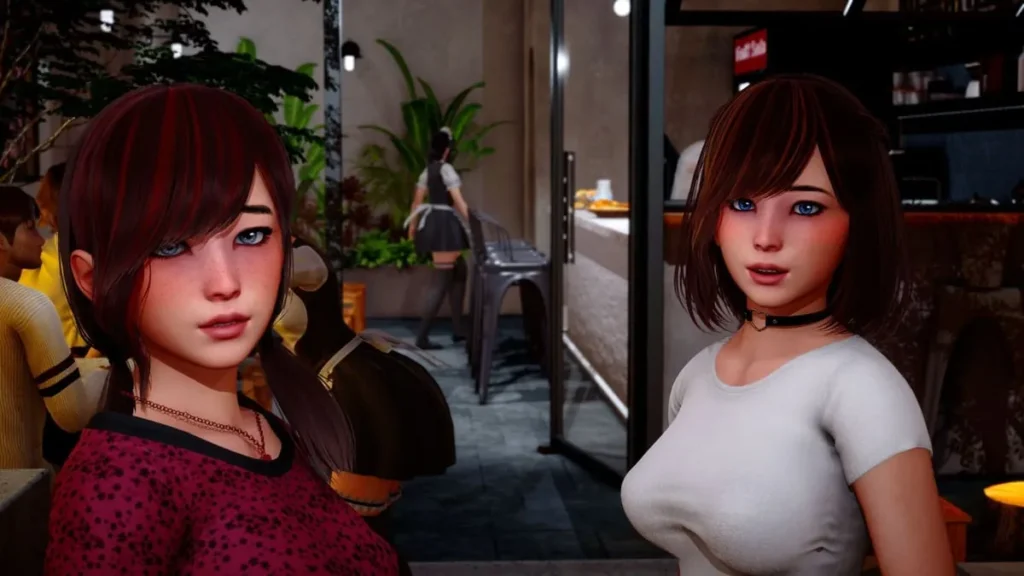

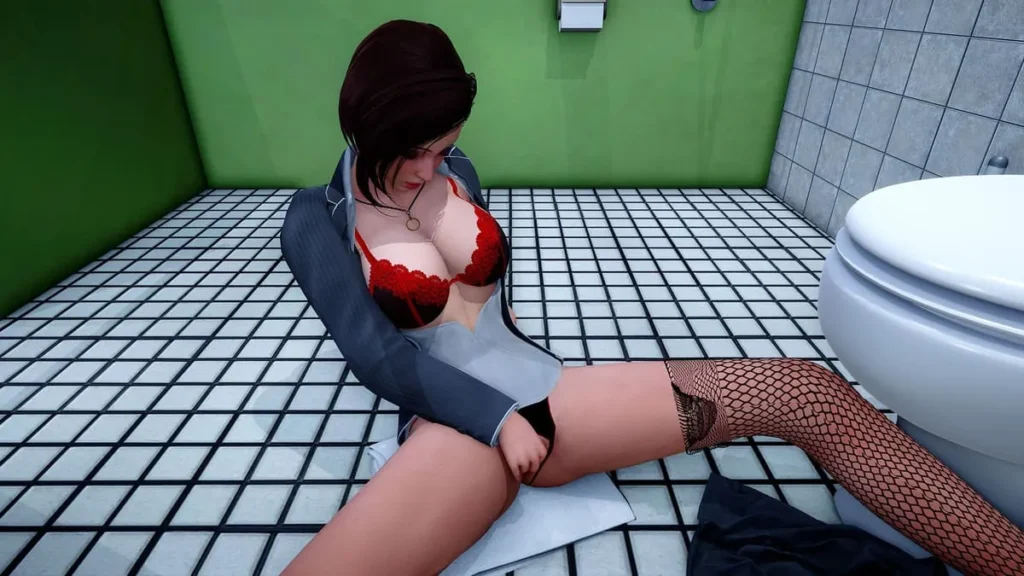


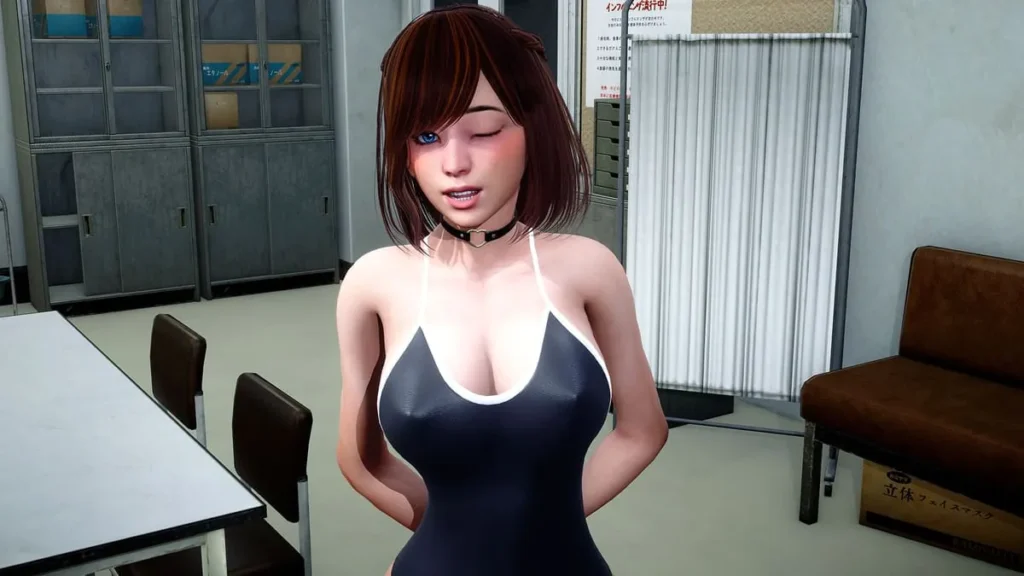
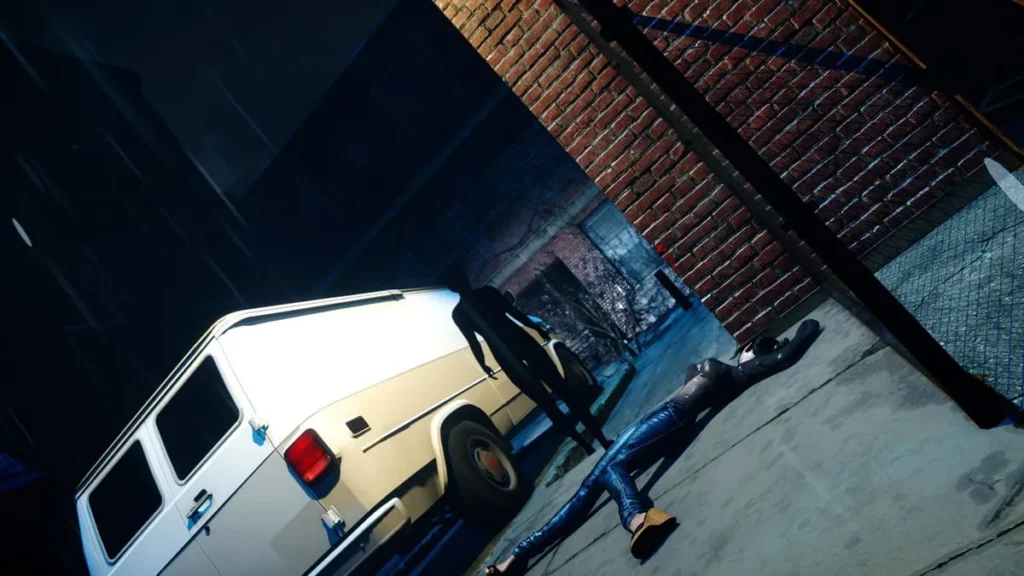

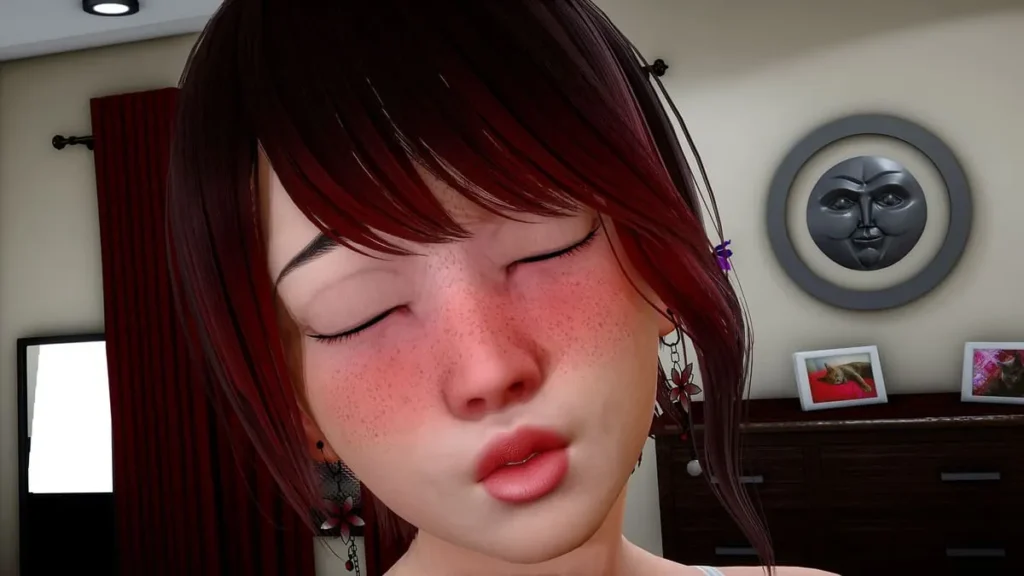
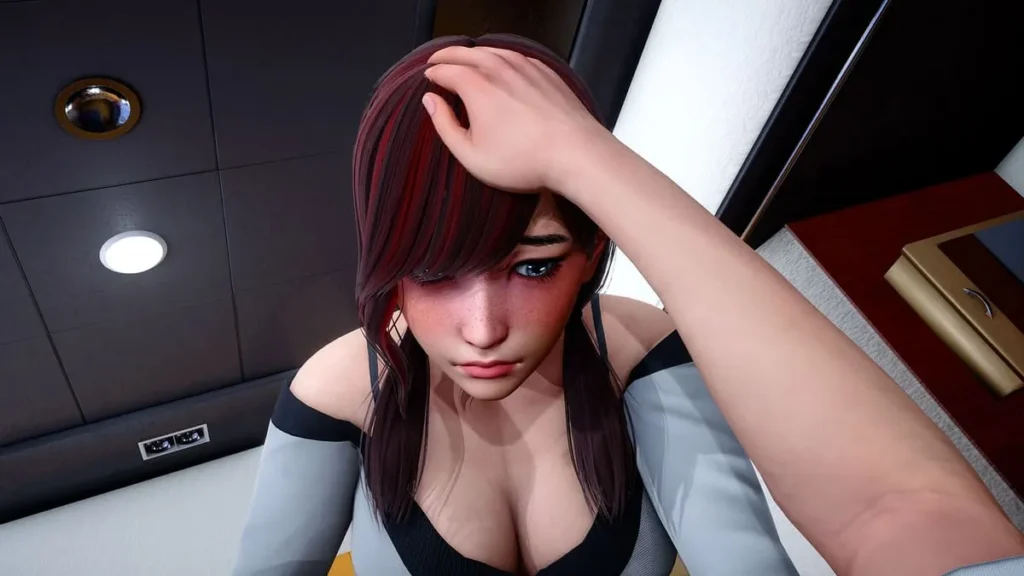
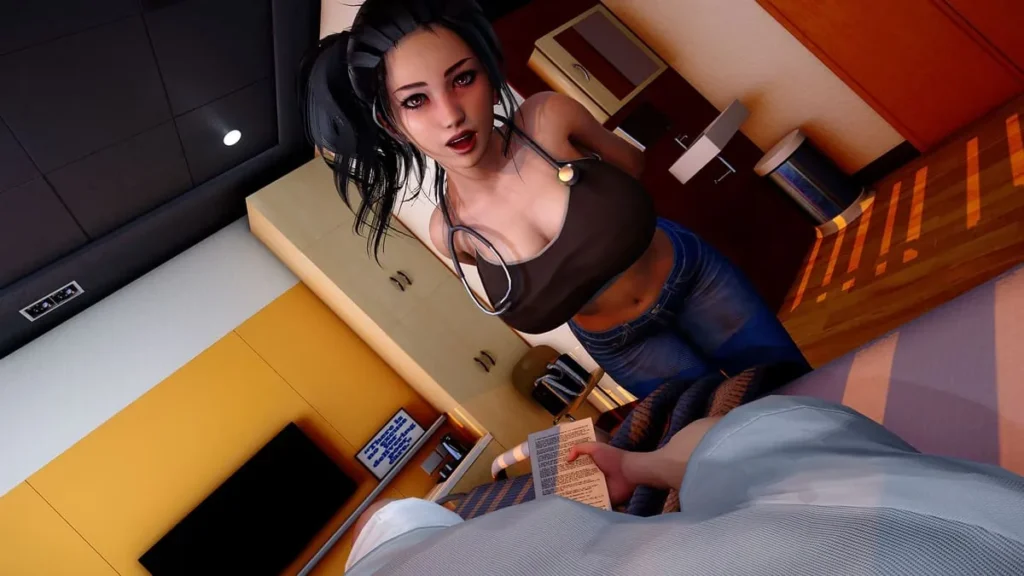
Between Humanity review
A Deep Dive Into What Makes This Visual Novel Stand Out
Between Humanity has garnered significant attention within the visual novel community for its distinctive approach to storytelling and character progression. Unlike many titles in the genre that rush through plot developments and intimate scenes, this game takes a measured approach that prioritizes narrative depth and player investment. The game’s deliberate pacing strategy creates anticipation while allowing players to genuinely connect with characters and the world they inhabit. Whether you’re a seasoned visual novel enthusiast or new to the medium, understanding what makes Between Humanity unique can help you decide if it aligns with your gaming preferences. This comprehensive guide explores the game’s core mechanics, narrative philosophy, and what players are saying about their experience.
Understanding Between Humanity’s Narrative Philosophy
Let’s be honest for a second. How many times have you started a character development visual novel, only to feel like you’re on a narrative rollercoaster that’s moving too fast? 🎢 One minute you’re meeting a character, and the next, you’re plunged into a world-ending drama or an intense romantic arc that feels… unearned. You’re told to care, but you don’t really feel it. If that sounds familiar, then you’re the exact player Between Humanity was made for.
This Between Humanity visual novel does something radical in a space often crowded with instant gratification: it trusts you. It trusts your patience, your intelligence, and your capacity for emotional investment. It’s a masterclass in the slow burn narrative game, treating its story and characters with a level of deliberate, thoughtful care that is genuinely rare. In this deep dive, we’ll unpack the narrative philosophy that makes this Between Humanity game review less about shocking moments and more about the profound journey in between them.
The Art of Slow-Burn Storytelling in Visual Novels
The term “slow burn” gets thrown around a lot, but in the context of Between Humanity, it’s not just a pace—it’s the entire narrative structure AVN. It’s a conscious, artistic choice. Think of it like a meticulously crafted novel versus a blockbuster movie trailer. One builds a world brick by brick, letting you live in it; the other shows you all the best explosions upfront.
Many visual novels operate on a principle of immediate hook. They need to grab you in the first hour, often using dramatic premises or rapid-fire romantic options. Between Humanity flips this script. Its power lies in restraint. The game understands that true impact comes from anticipation and the quiet moments that make the loud ones resonate. It’s not about withholding fun, but about enhancing player engagement through meaningful buildup.
This philosophy is evident in its sheer scope. While many comparable titles are celebrated for reaching their second or third chapter, Between Humanity has built a sprawling narrative that progresses to a fourth chapter and beyond. This isn’t about padding; it’s about expansion. It provides the literal space for its story to breathe and for its characters to exist outside of plot mandates. You get to see them in mundane, daily, and human contexts, which makes their triumphs and struggles infinitely more relatable.
The genius of this slow burn narrative game approach is that it transforms the player from a passive consumer into an active participant in the story’s rhythm. You’re not just clicking through to the next plot point; you’re savoring the journey, reading subtext, and forming your own theories. This creates a unique type of emotional investment gameplay where your patience is directly rewarded with deeper narrative payoff.
How Pacing Enhances Player Engagement and Emotional Investment
So, how does this measured story pacing adult game actually work in practice? And why does it succeed where others might bore? The key is balance. Between Humanity masterfully juggles micro and macro storytelling. A single game session might involve helping a character with a simple, personal problem, sharing a quiet meal, or having a conversation that seems incidental but is layered with character depth. These aren’t “filler” scenes; they are the foundation.
This deliberate pacing allows the game to build emotional investment gameplay organically. When a major plot development or emotional climax finally occurs, it hits with ten times the force because you’ve lived with these characters. You’ve seen their small smiles, their subtle worries, and their daily routines. You’ve earned the right to care, and the game rewards that care with consequences that feel significant.
To illustrate just how different this narrative scope is, let’s look at a comparison. While other games are establishing their core premise, Between Humanity is already exploring complex relationship dynamics and secondary character arcs in depth.
| Visual Novel Title | Typical Narrative Scope at Early Development | Between Humanity’s Comparative Scope |
|---|---|---|
| Many Story-Focused AVNs | Introducing main cast, establishing central conflict, first major plot twist. | Deep exploration of main and supporting characters’ backgrounds, inter-character relationships are nuanced and tested, main plot has multiple running threads. |
| Romance-Driven Visual Novels | Initial meetings, first dates, “will they/won’t they” tension building. | Established relationships facing real-world complexities, exploring love in long-term contexts, dealing with past baggage and future implications. |
| Choice-Heavy Narrative Games | Early branching paths that lead to distinctly different short-term outcomes. | A web of cumulative choices that affect character trust, group dynamics, and long-term story direction over many hours of gameplay. |
This table shows the extended runway Between Humanity gives itself. The story pacing adult game fans experience here is less about rapid escalation and more about gradual, believable evolution. This approach directly feeds player engagement. You’re not just waiting for the next “scene”; you’re invested in the next conversation, the next small step forward in a relationship, or the next clue in a slowly unraveling mystery. It’s a narrative structure AVN built for the long haul, and it makes every moment, big or small, feel intentionally placed.
Character Development Through Extended Narrative Arcs
This is where the philosophy of Between Humanity truly shines. In a standard character development visual novel, growth is often tied to plot milestones. Character A has a tragic backstory revealed during a crisis, so they change. Character B confesses their feelings during a romantic event, so the relationship evolves. It’s efficient, but it can feel mechanical.
Between Humanity rejects that shorthand. Here, character development is a process, not an event. It happens in the glances across a room, the hesitant half-sentences, the small acts of kindness, and the quiet failures. Because the game has the luxury of time (its fourth chapter narrative scope), it can show you who a character is through a hundred small interactions before it ever has to tell you with a dramatic monologue.
Take, for example, how the game handles vulnerability. In a faster-paced story, a character breaking down might be a major set-piece. In Between Humanity, you might see that character trying to hold it together over several sessions—being slightly short-tempered, withdrawing subtly, making a small mistake—before they ever utter a word about their pain. You, the player, piece it together. You feel like you’ve discovered something intimate about them, which creates a powerful, unspoken bond. This is the pinnacle of emotional investment gameplay.
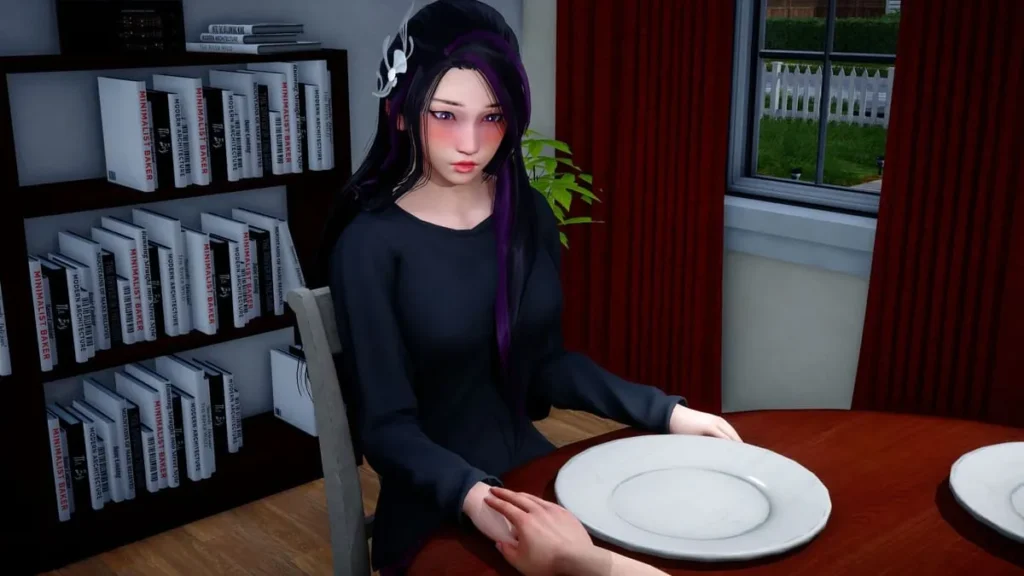
“I’ve played dozens of visual novels, but none have made me feel like I truly know the characters like Between Humanity does,” shares one longtime player. “There was a moment in a later chapter where a character simply reached out and held another’s hand during a quiet scene. No grand confession, no dramatic music. And I actually got choked up. Because I had spent so many hours seeing their distance, their unspoken tension, and that tiny gesture felt like a mountain moving. That’s the power of a true slow burn narrative game—it makes the smallest moments feel monumental.”
This method results in characters who feel authentically complex. They are bundles of contradictions, growth, and regression, just like real people. Their relationships evolve in fits and starts, with misunderstandings and reconcitions that feel earned. The narrative structure AVN of this game is a greenhouse for character growth, providing the perfect conditions for them to change in believable, often subtle ways.
By the time you reach the later stages of the story in Between Humanity, your connection to the cast isn’t based on a few dramatic choices you made. It’s based on the accumulated weight of hundreds of shared moments. You remember the jokes, the quiet comforts, the shared silences. This transforms the Between Humanity visual novel from a simple story into a shared experience, a memory you feel you were truly a part of.
This deliberate, patient, and profoundly human approach to storytelling is what sets Between Humanity apart. It’s a slow burn narrative game that redefines what emotional investment gameplay can be. It proves that in a world rushing toward the next big plot twist, there is immense power and satisfaction in the journey itself—in the quiet, beautifully crafted space between humanity’s dramatic highs and lows. For any player seeking depth, resonance, and a story that stays with you long after you close the game, this Between Humanity game review can only conclude one thing: it is a landmark in character development visual novel design, and its philosophical commitment to pacing is its greatest strength.
Between Humanity represents a thoughtful approach to visual novel design that prioritizes narrative depth and player connection over rapid-fire plot developments. By embracing slow-burn storytelling and extended character arcs, the game creates a more immersive experience where players genuinely invest in the world and its inhabitants. The deliberate pacing strategy demonstrates that taking time to develop characters and relationships can be more rewarding than rushing toward intense moments. For players seeking a visual novel that respects their time and emotional investment, Between Humanity offers a compelling alternative to conventional genre standards. Whether you value rich character development, meaningful narrative progression, or simply want a game that unfolds at a thoughtful pace, this title deserves consideration. Explore the game yourself to experience how restraint and careful storytelling can create anticipation and lasting engagement.