Braveheart Academy
Play Braveheart Academy
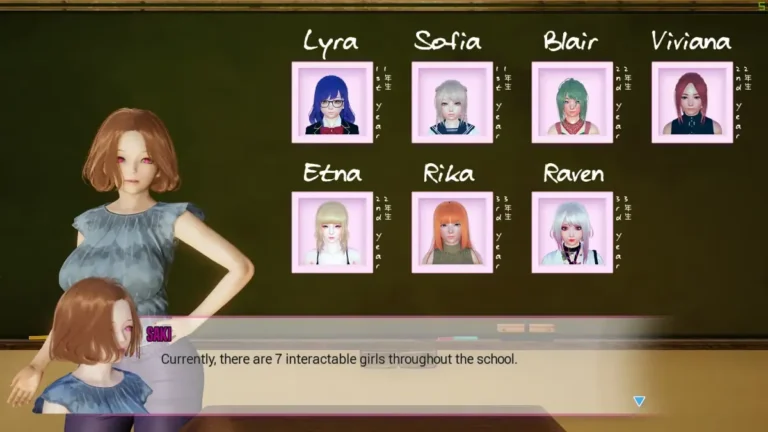
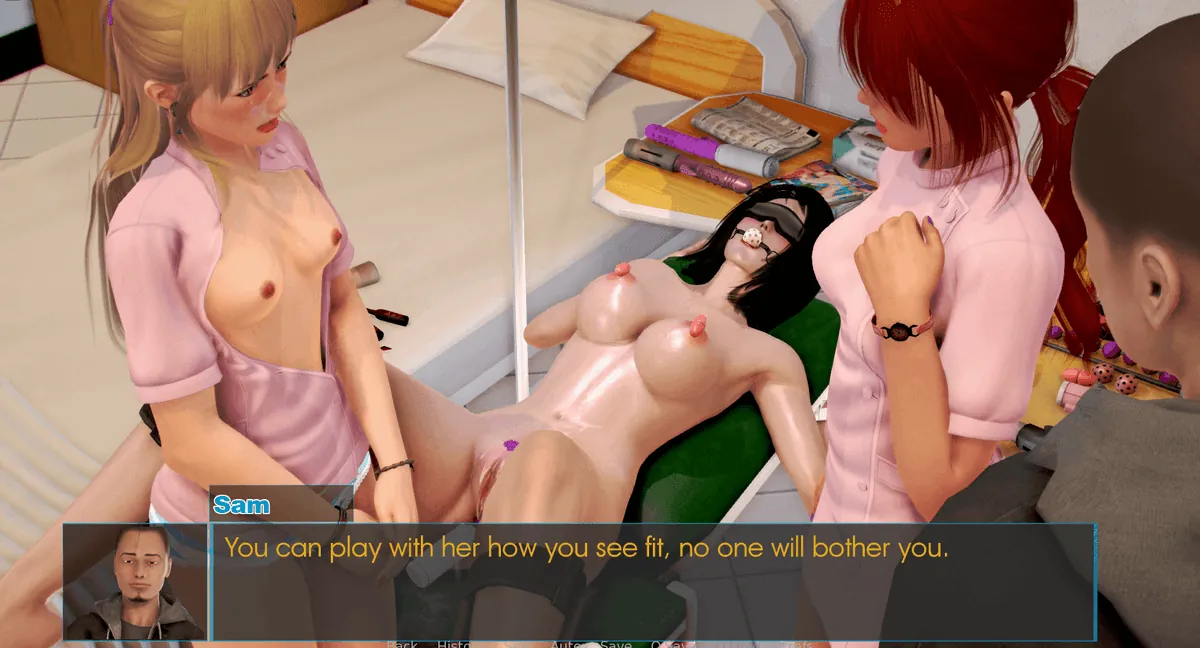
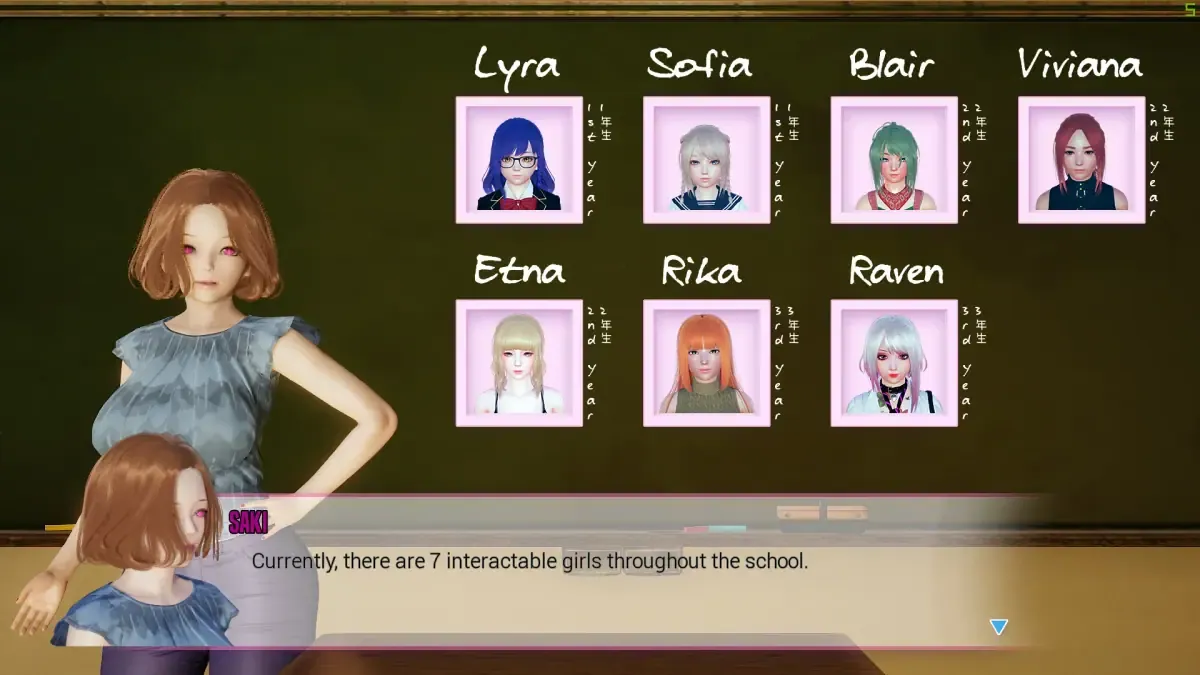
Braveheart Academy Screenshots
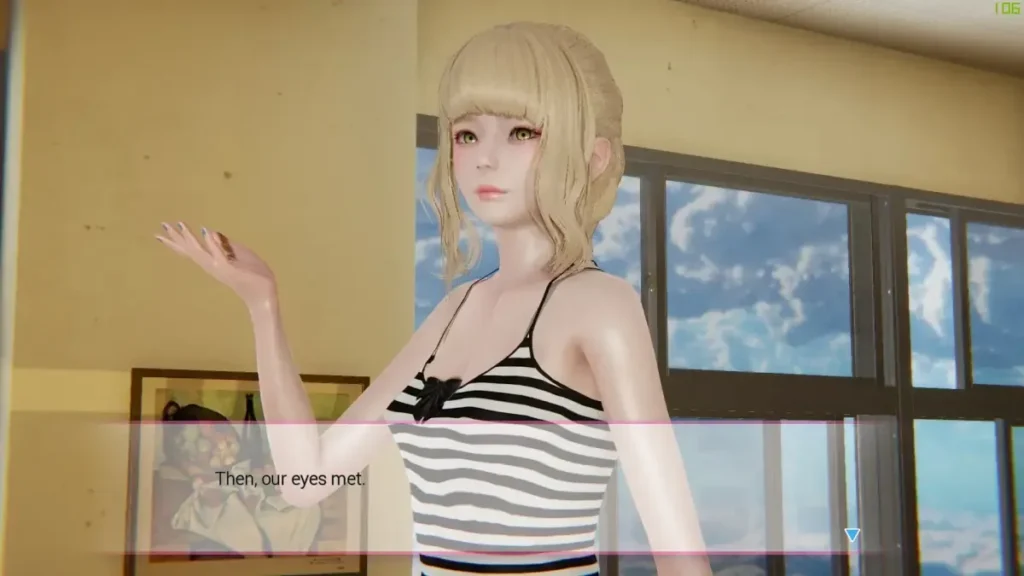




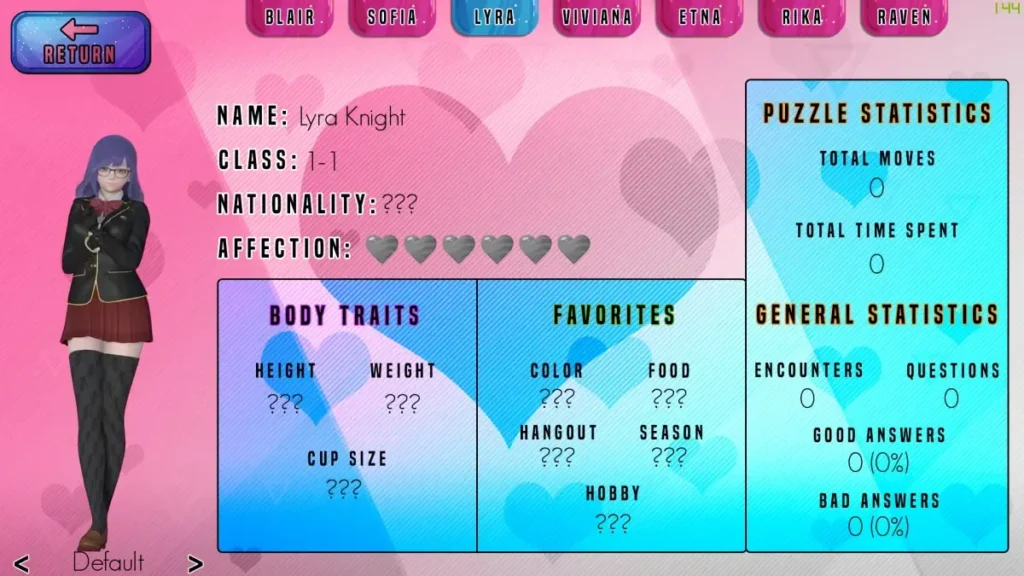
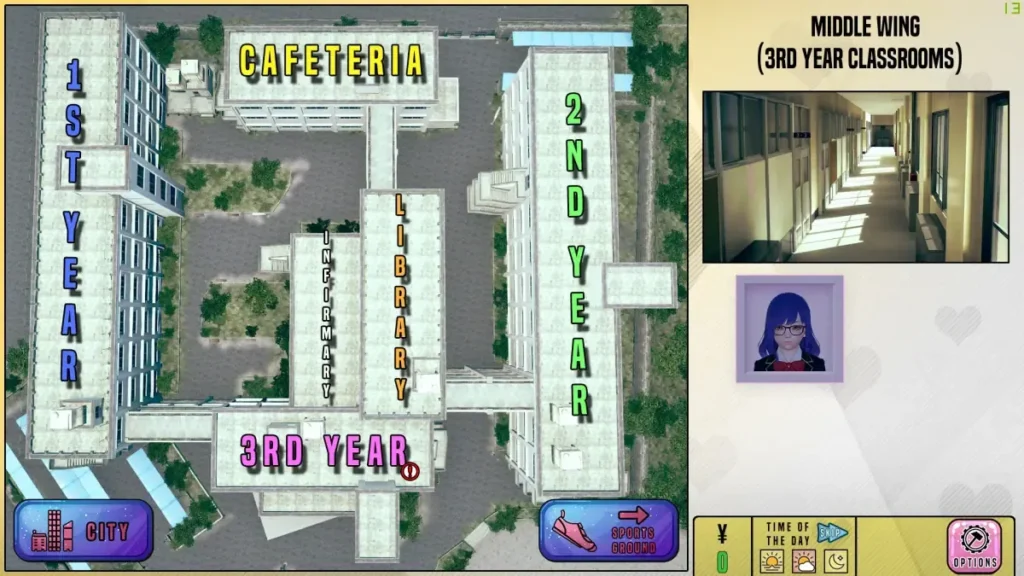
Braveheart Academy review
Master relationship building, choice systems, and character routes in this interactive visual novel
Braveheart Academy stands out as a sophisticated choice-driven visual novel that blends relationship simulation with strategic decision-making. Set in a prestigious international academy, this interactive experience puts you in control of a new student navigating academic life, social dynamics, and romantic pursuits. Unlike passive storytelling, every dialogue choice, stat allocation, and character interaction directly shapes your narrative path. Whether you’re drawn to the intricate affinity mechanics, branching storylines, or the diverse cast of characters, understanding how the game’s systems work is essential to unlocking all available content and experiencing multiple unique endings.
Core Gameplay Mechanics: How Braveheart Academy Works
Ever feel like you’re just clicking through dialogue in a visual novel, waiting for the story to happen to you? 😴 I’ve been there. That’s why when I first booted up Braveheart Academy, I was completely thrown off guard. This isn’t a passive storybook; it’s a high-stakes, strategic puzzle where every word you choose echoes through the entire school year. You’re not just reading a story—you’re actively building it, and one misstep can lock you out of entire character arcs before you even realize it.
The magic (and occasional frustration!) of this game lies entirely in its interconnected systems. Forget simple “good” or “bad” choices. Here, your personality stats, hidden relationship scores, and clever conversation tactics all weave together to create a uniquely personal journey. To master this academy, you need to understand its rules. Let’s break down the core mechanics that make every playthrough a fresh, challenging experience.
The Three-Phase Dialogue System Explained
Think of every major conversation in Braveheart Academy not as a chat, but as a boss fight for hearts and minds. 🎯 The game’s signature Braveheart Academy dialogue system is structured into three distinct phases: Setup, Escalation, and Climax. Each phase serves a specific purpose, and succeeding in the later rounds depends entirely on how well you played the earlier ones.
-
Phase 1: The Setup. This is your information-gathering round. You’re meeting a character in the courtyard, or striking up a chat before class. The choices here seem casual—asking about their hobbies, commenting on the weather, or joking about a teacher. But this is where you’re secretly profiling them. Are they prideful? Shy? Competitive? Picking the right Setup options builds a foundation of rapport and unlocks more personal, risky choices in the next phase. Get it wrong, and you might find all subsequent options guarded or cold.
-
Phase 2: The Escalation. Now, the conversation deepens. A problem arises, a secret is almost spilled, or a debate gets heated. The choices here are more direct and carry more weight. This is where you apply what you learned in the Setup. If you discovered a character values honesty, you can now choose a blunt but truthful path. If they appreciate cunning, a sly, manipulative option might appear. Escalation choices directly influence the character’s emotional state and set the trajectory for the scene’s conclusion.
-
Phase 3: The Climax. This is the point of no return. The conversation reaches its peak tension—a confession, an argument, a critical decision. The options presented to you in the Climax are direct results of your performance in the first two phases. If you built trust, you might get a vulnerable, intimate choice. If you stirred conflict, you may only have aggressive or defensive exits. There is no “rewind” button here. The Climax choice finalizes a significant shift in your relationship and often checks your hidden affinity scores to see if you qualify for a special scene.
Let me give you a real example from my playthrough with the character Felix, the artistic, slightly brooding painter. 🎨
Scenario: Felix is stressed about a big gallery showing.
* Setup: I had two choices: “You must be excited!” (Optimistic) or “The pressure seems intense.” (Observant). I chose the Observant path, recognizing his anxiety rather than dismissing it.
* Escalation: Because I acknowledged his stress, the conversation deepened. He admitted he might not be good enough. New choices appeared: “Your work is incredible!” (Compliment) or “What’s the worst that could happen?” (Challenge). Remembering Felix respects grit, I Challenged him.
* Climax: My Challenge in the Escalation phase paid off. It fired him up. The Climax presented a unique option I’d never seen before: “Then prove it. Let me see the piece that scares you the most.” This was a bold, intimate choice that required the specific conversational path I took. Choosing it unlocked a private studio scene that massively boosted our relationship.
This three-phase structure means every conversation is a mini-game. You’re not just picking what you want to say now; you’re strategically setting up what you want to be able to say five minutes from now. It makes the visual novel choice system feel incredibly dynamic and consequential.
Now, how does the game track all this? That’s where your invisible social report card comes in.
| Character Route | Key Relationship Threshold | Primary Stat Requirements | Potential Endings |
|---|---|---|---|
| Elara (Romantic) | Affection Level 8+ before “Midnight Garden” event | Creativity > 7, Empathy > 5 | True Partner, Creative Muse, Parted Ways |
| Kael (Rivalry) | Respect Level 7+, Affection < 3 before "Duel of Wits" | Cunning > 8, Courage > 6 | Worthy Adversary, Reluctant Ally, Crushed Opponent |
| Maya (Neutral/Friendship) | Trust Level 6+ (Affection between 3-6) | Empathy > 7, Honesty > 5 | Lifelong Friend, Trusted Confidant, Drifted Apart |
| Professor Thorne (Mentor) | Insight Level 9+ before “Final Thesis” | Intellect > 9, Creativity > 6 | Successor, Independent Scholar, Failed Student |
Affinity Meters and Relationship Progression
Here’s the thing the academy doesn’t tell you upfront: everyone is keeping score. 😮 Behind every smile and frown is the game’s sophisticated affinity meter mechanics. These are hidden, numerical values that represent exactly what a character feels about you. We’re not just talking about a single “like” bar. Each major character has multiple, independent affinity tracks, such as:
* Affection (Romantic interest, deep fondness)
* Respect (Admiration for your skill or intellect)
* Trust (Belief in your reliability and honesty)
* Rivalry (Competitive drive to surpass you)
Your every action—dialogue choices, story decisions, and even which classes you excel in—applies subtle positive or negative points to these hidden meters. A sarcastic joke might raise Rivalry with Kael but lower Affection with the more sensitive Elara. Helping someone with their homework could boost Trust across the board.
This is the engine of character relationship progression. Reaching higher levels on these meters (e.g., moving from Trust Level 4 to Level 5) doesn’t just trigger a notification. It fundamentally changes your interactions. New, more personal dialogue options will spontaneously appear. Characters will seek you out for side events. They’ll share secrets they’d never tell someone at a lower trust level.
Pro Tip: Pay extreme attention to character reactions! A faint, disappointed sigh or a subtle, pleased smile is the game’s main way of hinting at your affinity changes. There’s no UI pop-up saying “+5 Affection,” so you have to become a social detective. 🕵️♂️
The real crunch comes at key story moments. The game will perform a hidden “check” against your affinity levels. For example, to get the invitation to the secret poetry slam with Elara, your Affection with her must be at least Level 6 and your Creativity stat must be 5 or higher. If you fail this check, the event simply won’t occur for you. The story will branch around it, and that opportunity is gone for that playthrough. This is the brutal beauty of the Braveheart Academy stat system working hand-in-hand with relationship metrics—your developed personality literally opens or closes doors in the narrative world.
Character Routes and Story Branching
This is where all the systems fuse together into what makes Braveheart Academy so brilliantly replayable: its branching narrative paths. You are not on a single track with occasional detours. From very early on, you are carving a unique path through the story based on a recipe of stats, affinities, and key decisions.
Locking In Your Path
The concept of story route unlocking is both organic and deliberate. You don’t typically select a route from a menu. Instead, you lock yourself in through cumulative choices. By consistently spending time with Felix, choosing artistic responses, and raising your Creativity stat, you are naturally funneling yourself toward his character route. The game recognizes this pattern and will begin offering you scenes and choices exclusive to that path.
However, there are definitive “point of no return” moments, often called Route Locks. These are major story events (like choosing who to partner with for the Mage’s Tournament or who to comfort after a crisis) that solidify your primary relationship for the remainder of the game. Before these events, you might be flirting with multiple possibilities. Afterward, the narrative focuses on the consequences of that deep bond, and other character routes become inaccessible.
The Consequence System & Varied Endings
Remember the visual novel choice system we talked about? Its long-term impact is the consequence system. An early, seemingly minor choice in Chapter 2—like admitting you broke a school rule—could resurface in Chapter 6, where a character remembers your honesty and defends you because your Trust affinity with them is high enough. Conversely, a lie you told might be exposed, destroying a relationship you’ve spent hours building.
This creates an incredible sense of a living world that remembers your actions. Your ending isn’t decided by one final choice from a list; it’s the culmination of hundreds of micro-choices. To achieve a specific romantic ending, you’ll need:
1. High Enough Affinity: Exceed the required threshold on the primary relationship track (e.g., Affection Level 9).
2. Key Stat Checks: Possess the necessary personality stats (e.g., High Courage for a heroic partner, High Cunning for a scheming one).
3. Critical Choice Success: Have made the correct major decisions that align with that character’s values.
Fail any one of these, and you’ll slide into a different ending variant—perhaps a bittersweet parting, a platistic friendship, or even a dramatic rivalry. This architecture ensures that story route unlocking feels like a hard-earned achievement, not a given. It also means that two players can both end up with the same character but have wildly different final scenes based on the unique journey they took to get there.
Mastering Braveheart Academy is about embracing this complexity. Don’t stress about perfection on your first try. Experiment, lean into the character you want to be, and pay attention to the world’s reactions. Your failed playthrough where you ended up alone and studying in the library? That’s just as valid a story as the fairy-tale romance. Each playthrough peels back a new layer of this rich, reactive academy, making every new game a chance to discover a story you’ve never seen before. 🏰✨ Now go on—your next conversation is waiting, and it’s a puzzle to be solved
Braveheart Academy delivers a sophisticated interactive experience that goes far beyond typical visual novel conventions. The game’s intricate affinity system, branching narrative architecture, and meaningful choice mechanics create a genuinely player-driven story where your decisions matter. From the initial character customization and class selection through relationship building and special scene unlocking, every element works together to create multiple distinct gameplay experiences. The beautiful visual presentation, combined with the nuanced character interactions and diverse cast of personalities, makes each playthrough feel fresh and engaging. Whether you’re pursuing romantic routes, exploring rivalry paths, or uncovering the academy’s central mystery from different perspectives, Braveheart Academy offers substantial replay value and meaningful narrative depth. Understanding these core mechanics—the dialogue system, affinity meters, stat requirements, and route conditions—empowers you to make informed choices and experience all the content this rich interactive experience has to offer. Start your journey at the International Braveheart Academy and discover how your choices shape your unique story.