Deathable
Play Deathable
Deathable Screenshots










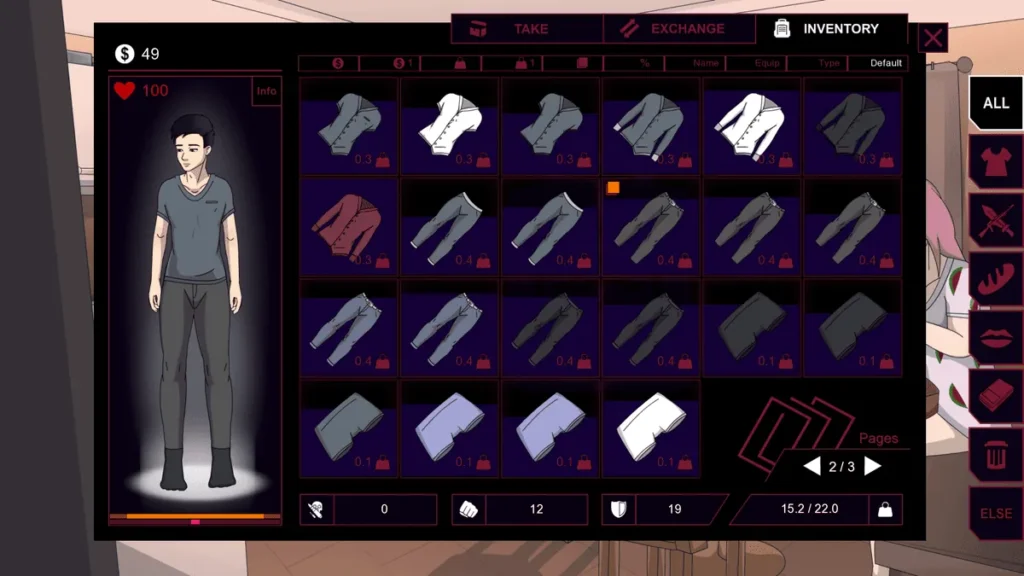
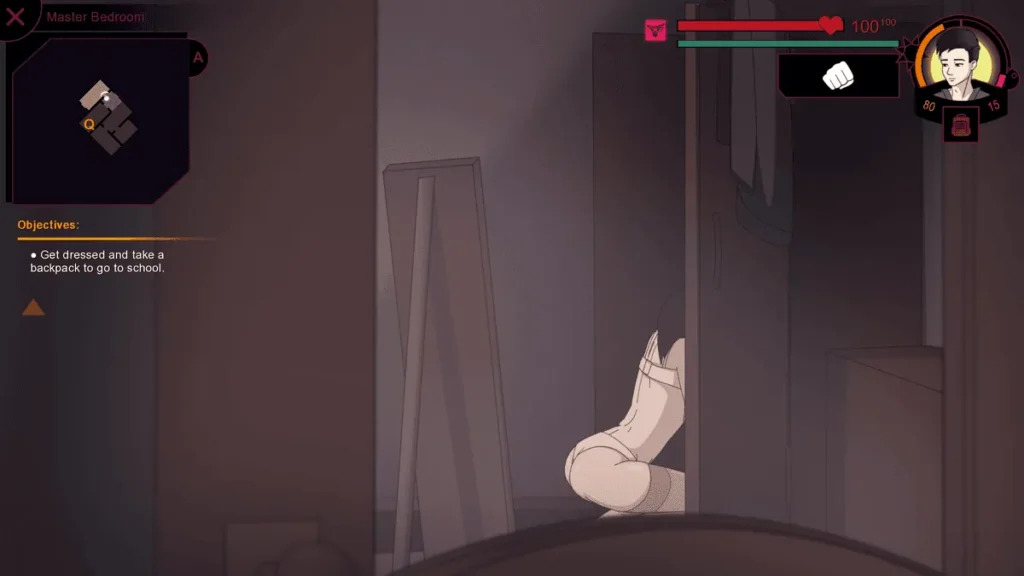
Deathable review
A player-focused guide to mechanics, story, and tips for Deathable
Deathable is a narrative-driven indie title known for its character-focused scenes, branching choices, and mobile-friendly releases. In this article I walk you through the game’s premise, how its mechanics work, practical tips I learned while playing, and where to find legitimate builds and community resources. Whether you’re evaluating whether to try Deathable or want to improve your playthrough, this guide covers the essentials and shares personal takeaways to help you get the most from the experience.
Understanding Deathable: Story, Setting, and Characters
Let’s get one thing straight: the world of Deathable isn’t about grand battles to save the universe. It’s about the quiet, desperate fight to save a home and the people in it. This Deathable story pulls you into a fraying domestic life set against a chilling, subtly post-apocalyptic backdrop. You’re not a chosen hero; you’re just someone trying to hold things together, and that intimacy is what makes its narrative punches land so hard. 😮💨
In this guide, we’re going deep into the heart of that narrative. We’ll break down the Deathable plot summary, meet the fragile souls who inhabit this world, and see how your decisions as a player don’t just change endings—they reshape relationships from the ground up. Understanding the Deathable characters and their motivations is the key to navigating the emotional maze this game lays out.
### What is Deathable about?
At its core, Deathable is a story of decay and resilience. The broader world hints at a collapse—resources are scarce, the environment feels oppressive, and a sense of lingering dread is baked into the atmosphere. But the camera is pointed squarely at a single, struggling household. The Deathable plot summary revolves around the playable protagonist, a caregiver figure, and their charge, a young person named Kael.
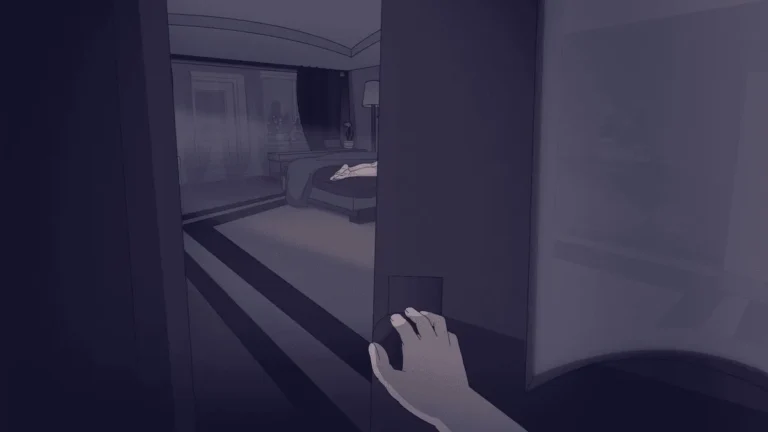
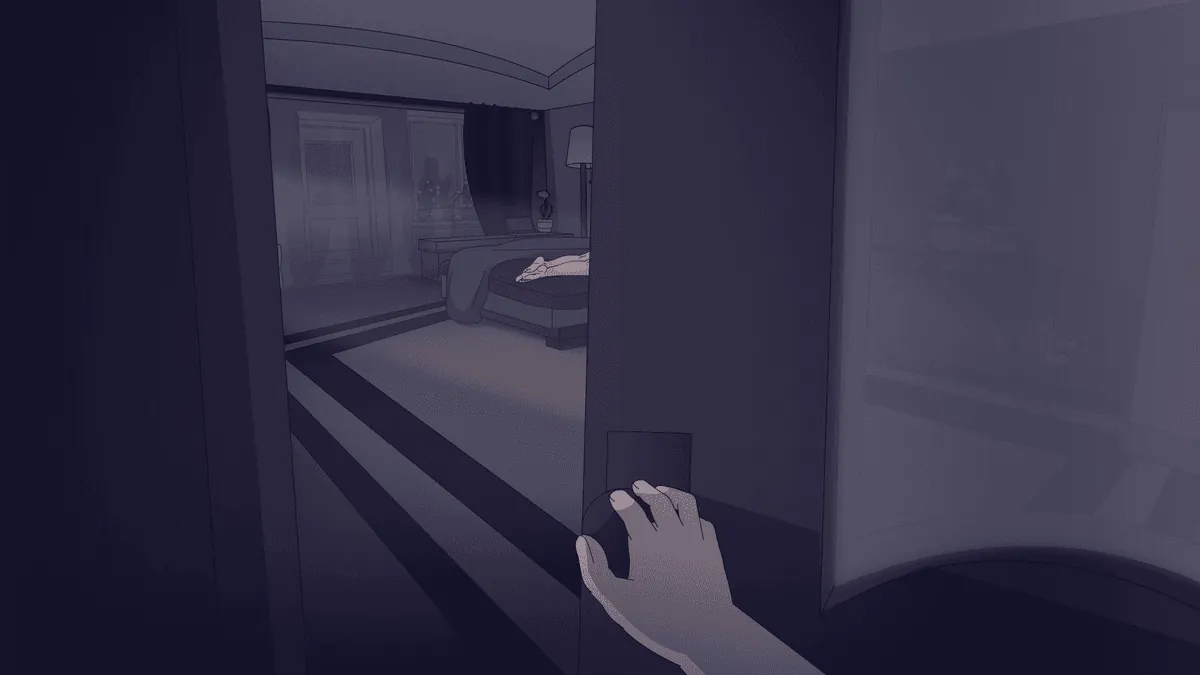
Your goal isn’t to conquer evil, but to manage stress, make ends meet, and protect Kael from both external threats and their own deteriorating condition. The tone is melancholic and tense, often feeling like you’re holding your breath. This is beautifully reflected in the game’s distinct visual style, which uses a stark, almost rough-around-the-edges aesthetic to amplify the feeling of a world—and a life—that’s coming apart at the seams. Every pixel feels deliberate, every dark corner of the house holding potential anxiety.
The brilliance of the Deathable story is how it makes the mundane feel monumental. A trip to the market isn’t just an errand; it’s a risk. A conversation isn’t just chat; it’s a fragile bridge you’re building or burning. This constant, low-grade tension is where the game truly lives.
### Who are the main characters and how do they interact?
The soul of Deathable resides in its small, deeply flawed cast. Your choices only matter because you care about these people, or are frustrated by them, or fear for them. Let’s meet the central Deathable characters.
The Protagonist (You): You are the anchor. Exhausted, overburdened, and doing your best in an impossible situation. Your motivation is simple: keep Kael safe and stable. But “safety” can mean many things—is it sheltering them completely, or preparing them for the harsh world? Your personality is shaped through your Deathable narrative choices, making you either a compassionate guardian, a stern disciplinarian, or something crumbling in between.
Kael: The emotional core of the entire experience. Kael is young, ill, and terrifyingly vulnerable. Their condition is a ticking clock, and their mood swings from childlike dependence to sharp, fearful resentment. Your relationship with Kael is the primary axis around which the story spins. They are not a passive victim; they react, remember, and rebel against your decisions.
Remy: A neighbor or occasional visitor who represents a lifeline to the outside world—and a major point of contention. Pragmatic and often cynical, Remy believes the only way to survive is through hardened realism. They frequently challenge your methods with Kael, suggesting tougher love or different priorities. Interacting with Remy forces you to constantly examine your own approach.
The Physician: A figure of elusive authority. They appear occasionally, offering medical advice or cryptic warnings about Kael’s condition. Trusting the Physician’s cold, clinical directives or doubting their motives creates a significant branch in how you manage care. Are they a helpful expert or part of the problem?
The dynamics between these Deathable characters are everything. Kael’s dependence on you clashes with Remy’s skepticism. Your trust (or distrust) in the Physician directly affects the options available for treatment. It’s a tangled web of need, advice, and conflict.
To see how they fit together, here’s a quick breakdown:
| Character | Their Role | Key Motivation | Primary Conflict With |
|---|---|---|---|
| The Protagonist | Caregiver & Player Avatar | Protect Kael at all costs | Internal stress & external pressure |
| Kael | The Charge | Seek safety, understanding, and agency | Their own condition & the Protagonist’s rules |
| Remy | The Realist | Ensure survival in a harsh world | The Protagonist’s protective methods |
| The Physician | The Authority | Manage the “condition” (ambiguous) | The Protagonist’s emotional involvement |
### How choices shape the story
This is where Deathable truly shines. There are no obvious “good” or “evil” options here. Every Deathable narrative choice is a trade-off, often between Kael’s immediate happiness and their long-term safety, or between maintaining your own sanity and being fully present for them.
The game doesn’t judge you for picking the “easy” way out in a moment of stress; it just remembers, and the story organically bends to accommodate the person you’re choosing to be. 😌
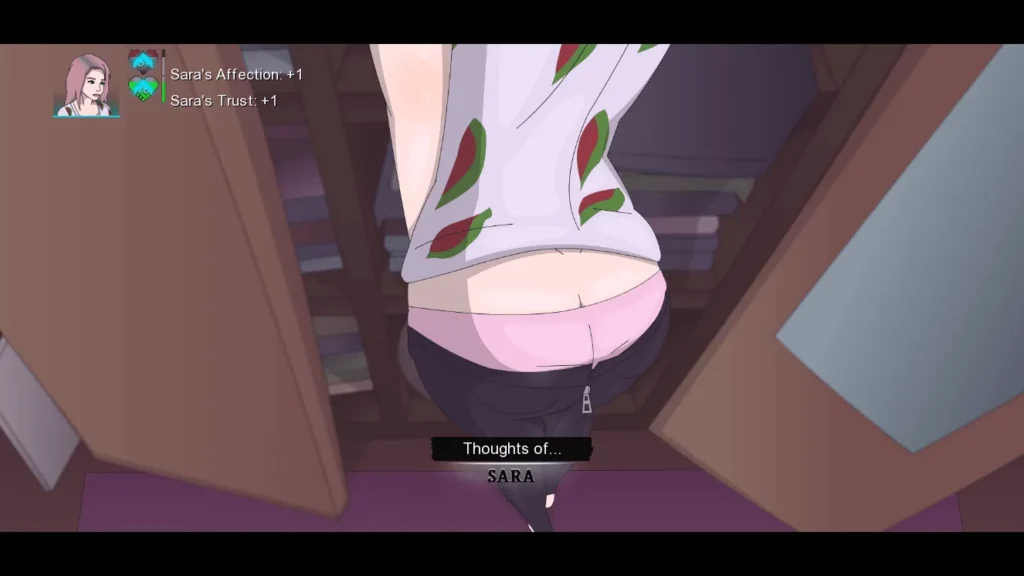
These choices are seamlessly woven into dialogue, action selections, and even silent moments of inaction. Will you spend your last coins on medicine or a comforting toy for Kael? Do you tell Kael a harsh truth to prepare them, or a gentle lie to spare them pain? Do you take Remy’s harsh advice or shut them out? Each decision subtly shifts Kael’s trust, Remy’s respect, and your own mental state.
These shifts aren’t just tracked on a hidden meter; they visibly change character interactions. A Kael who trusts you more might confess a secret fear. A Remy you’ve consistently agreed with might become a stronger ally—or a worse influence. The Deathable story branches not with giant, signposted forks, but with hundreds of tiny divergences that accumulate into profoundly different outcomes for each character’s fate.
Let me share a moment from one of my playthroughs that cemented this for me. I was in a late-game chapter, utterly drained. Kael wanted to go outside, to see a patch of sunflowers they remembered from before they got sick. The rational choice, echoed by Remy’s voice in my head, was “no.” It was too risky, their condition was flaring up. But I looked at the pixelated hope on their face, and my caregiver, worn thin by constant “no’s,” finally said “yes.”
It wasn’t a magic cure. In fact, the excursion had consequences—it tired Kael out, used precious medical supplies later. But in that moment, under a fake digital sun, I saw a version of Kael I hadn’t seen in hours of play: not a patient, but a kid. That single, impulsive Deathable narrative choice didn’t change the ending from “bad” to “good,” but it fundamentally altered the emotional texture of our remaining time together. It created a bittersweet memory that made the eventual outcome feel different, more about cherished moments than pure survival. It’s this nuanced cause-and-effect that makes the narrative feel truly alive.
### The Engine of Replayability: No Two Stories Alike
This intricate web of decisions is the heart of Deathable replayability. 🎮 Your first playthrough is your story, shaped by your instincts. But the moment the credits roll, questions arise: “What if I had trusted Remy more?” “What if I had been harder on Kael?” “What was the Physician really hiding?”
Because the Deathable characters react so specifically to your behavior, a second playthrough feels completely different. Making opposite choices isn’t just about seeing a new ending screen; it’s about discovering new sides to the characters. A defensive, secretive Kael emerges if you’re overprotective. A Remy who feels listened to becomes a genuinely complex friend rather than a nag. This Deathable replayability isn’t a chore; it’s an invitation to understand this fragile world from another angle. You’re not replaying for a trophy; you’re re-living to find a different kind of truth, or perhaps a different kind of tragedy.
### Where to Begin Your Story: Finding Deathable
So, where can you start shaping this story for yourself? Knowing where to download Deathable from the right source is crucial for the best experience and to support the creators. 👇
Always seek out official distribution channels first. The primary and most reliable source is the game’s official itch.io page, which is typically linked directly from the developer’s own website or social media profiles. Many indie developers also offer early builds or additional content through their Patreon pages.
Crucial Tip: Stick to these official sources. Downloads from random third-party mirrors or aggregator sites can often be outdated, lack crucial updates, or worse, be bundled with unwanted software. Supporting the devs directly on platforms like itch.io ensures they can continue making amazing content.
### Why the Story Captivates
In the end, the Deathable story is the main event. Its power lies in taking a small, intimate slice of life and placing it under the immense pressure of a broken world. The Deathable characters feel real because their needs conflict and their love is complicated. Your Deathable narrative choices give you ownership over that emotional complexity, making each victory heartbreaking and each failure deeply personal. This, combined with incredible Deathable replayability, creates an experience that stays with you long after you’ve put it down. It’s a masterclass in how video games can tell human stories, one fragile, beautiful choice at a time. 💔✨
Deathable combines a character-led narrative with branching mechanics that reward repeat playthroughs. This guide walked through the story foundations, core mechanics, versioning and mod considerations, non‑spoiler walkthrough strategies, and how to engage with the player community. Use the practical tips and checklists in each chapter to improve your runs, keep your game files safe when updating, and communicate productively with the developer and fellow players. If you enjoyed these insights, try a fresh run following the save checklist and share your experience in a community thread to compare routes.