
Deviant Anomalies
Play Deviant Anomalies
Deviant Anomalies Screenshots
























Deviant Anomalies review
Master every case, quest, and character interaction in this supernatural detective adventure
Deviant Anomalies is a narrative-driven detective game built on the Ren’Py engine that immerses players in a mysterious snowstorm-ravaged city filled with supernatural occurrences and rising crime. As a rookie detective fresh from college with a degree in Criminal Psychology, you’re tasked with solving interconnected cases while uncovering the truth behind the bizarre weather phenomenon that changed everything. This comprehensive guide covers essential gameplay mechanics, case solutions, character recruitment quests, and strategic progression tips to help you navigate Netherhelm’s chaos and unravel the mysteries of your final destiny.
Getting Started: Game Basics and Character Development
Welcome, detective! 🕵️♂️ So you’ve decided to step into the rain-soaked, neon-lit streets of this supernatural city and untangle its mysteries. Before you dive into your first case, let’s get you properly equipped. Think of this Deviant Anomalies game guide as your personal mentor, helping you understand the tools of the trade. This isn’t just about clicking through dialogue; it’s about smart choices, managing your limited time, and building a character who can survive the weirdness to come. I learned this the hard way on my first run, getting hopelessly stuck by Chapter 3 because I didn’t grasp the core systems. Let’s make sure that doesn’t happen to you.
Understanding the Game Engine and Interface
First things first: this game is built on Ren’Py detective game mechanics. If you’ve ever played a visual novel, you’ll feel right at home, but there’s a crucial twist. Unlike pure storybooks, Deviant Anomalies layers on interactive systems that turn you from a passive reader into an active investigator. 🎮
The Ren’Py foundation means the narrative is delivered through beautiful artwork, character sprites, and text boxes. You’ll advance the story by clicking, but the magic happens in the menu screens. Your primary hub is your character’s room. Here, you’ll find your bed (for advancing time), your PC (your lifeline for work and research), and your phone (for contacts and messages). The interface is clean, but every icon is a gateway to a critical system.
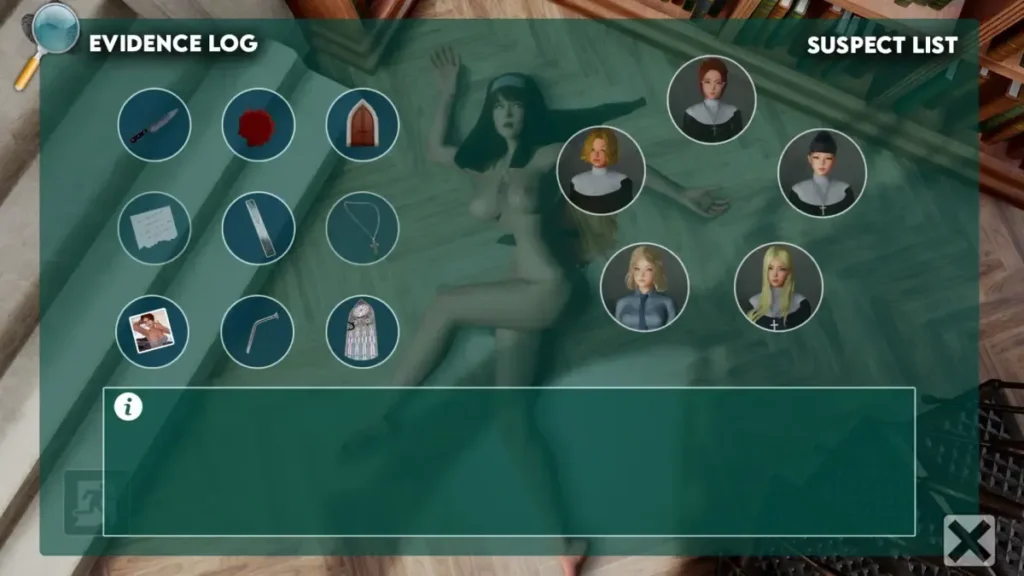
The most important screen is your Case File menu. This is your quest log, but it’s so much more. It doesn’t just list objectives; it tracks leads, clues, and active timers. A case might have multiple threads—interviewing a witness, analyzing evidence at the lab, and researching occult symbols on your PC. You need to juggle them. The game runs on a day-by-day progression system. Each action, like visiting a location or working on your computer, consumes time, usually moving you from morning to afternoon to evening. Running out of time on a critical lead can mean failure, so planning your day is your first real puzzle.
Pro-Tip: Always check your Case File at the start of each in-game day. Plan your route geographically to minimize “time travel” across the city map. A trip to the precinct, then the library, then back to the precinct is a rookie time-wasting mistake I’ve made more than once!
Trait Selection and Character Customization
Now, the moment that defines your entire playthrough: character trait selection. In the opening moments, you’ll be presented with a choice of three core traits. This isn’t just flavor text; it’s the foundation of your detective’s skills and deeply influences the Deviant Anomalies progression tips I can give you. Your choice opens unique dialogue options, determines how you solve puzzles, and can even unlock alternate paths through investigations.
Think of it as choosing your detective archetype. On my first playthrough, I picked “Analytical,” which gave me brilliant insights into evidence but left me fumbling during tense interpersonal confrontations. Here’s a breakdown of what each trait type generally offers:
| Trait Type | Playstyle Focus | Key Advantages |
|---|---|---|
| Intuitive | Social & Empathic Investigation | Easier rapport with characters, sense hidden motives, navigate social labyrinths. |
| Analytical | Logical & Evidence-Based Deduction | Decipher complex clues, connect technical evidence, see patterns others miss. |
| Resolute | Combat & Physical Confrontation | Better outcomes in physical struggles, intimidate suspects, withstand supernatural pressure. |
This initial character trait selection is permanent and will echo through every chapter. An Intuitive detective might calm a haunted victim to get information, while a Resolute one might stare down the ghost itself. An Analytical thinker could bypass a whole social encounter by deducing the answer from environmental clues. There’s no “best” choice—only the one that fits the story you want to experience. For a first-timer, I often recommend Intuitive or Analytical, as they provide more direct routes to information, which is your most valuable currency.
Remember, your trait also subtly affects your resource management gameplay. For instance, a Resolute character might resolve certain dangerous situations without spending money on protective items, while an Analytical one might avoid paying for expert consultations by solving the problem themselves.
Managing Resources and Progression
Ah, the eternal struggle: cash flow. This is where the game truly separates the casual player from the master detective. Resource management gameplay in Deviant Anomalies is brutal, honest, and incredibly satisfying once you get the hang of it. Your main resources are Money, Time (days), and Energy/Morale (often represented by your character’s state of mind).
Let’s talk about the biggest worry: money. Rent is due, gear is expensive, and information has a price. Your primary source of income is taking on small cases via your PC in your room. This is your core money grinding strategies loop. These aren’t the main story cases but smaller jobs—finding lost items, doing background checks, etc. They cost time (usually a half-day or full day) and reward you with crucial cash.
A Personal Story: I once ignored the grind to chase the main story, seduced by a juicy supernatural mystery. By Week 2, I was broke, couldn’t afford a key ritual component, and hit a complete dead-end. I had to reload a save from days prior. Learn from my fail!
Financial planning is directly tied to quest progression. Many story quests require you to purchase items, pay informants, or bribe officials. The Deviant Anomalies progression tips here are simple: always have a financial buffer. After covering rent, set a goal to keep a minimum amount in your wallet before proceeding with story beats. A good rule of thumb is to complete 1-2 small PC jobs between every major story chapter step.
This leads to the art of the quest management guide. You will often have 3-4 active leads at once, each with different time sensitivities. The key is parallel processing. Use a day like this: Morning (work a small case on PC for money) -> Afternoon (follow a main story lead that’s not urgent) -> Evening (research a secondary clue on your PC). This way, you’re advancing multiple fronts and generating income simultaneously.
Here is a simple table to visualize a balanced day:
| Time of Day | Action Type | Purpose |
|---|---|---|
| Morning | PC Work (Small Case) | **Money grinding strategies** executed. Secure your funds. |
| Afternoon | Primary Quest Step | Advance the main story. Interview, explore, gather clues. |
| Evening | Research/Secondary Quest | Use PC to analyze clues or follow a side lead. Low-time-cost actions. |
Finally, listen to your character. If the text describes them as exhausted or overwhelmed, it might be worth using an action to “Rest” or “Relax” (even if it costs time). A depleted detective makes mistakes, and mistakes cost more time and resources than a rest ever would.
- Grind Early, Not Late: Build your cash reserve in the early, less time-sensitive chapters. The pressure ramps up later.
- Save Scumming is Okay: Save at the start of each day. A failed skill check or poor choice can cost you days of progress. This is a valid Deviant Anomalies game guide strategy!
- Read Everything: The description for every action on your PC or map tells you how much time it consumes. Never assume.
- Prioritize Urgent Leads: Some case file entries will have subtle hints like “This can’t wait” or a visual indicator. These are your top priority.
- Don’t Hoard Cash: Money is a tool. If spending $200 on a rare book solves a puzzle and saves you two in-game days of searching, it’s a fantastic investment.
Mastering these basics—the flow of the interface, the weight of your trait choice, and the disciplined management of your days and dollars—is what will allow you to later enjoy the rich story and complex characters without frustrating roadblocks. This Deviant Anomalies game guide aims to give you that strong foundation. Now, detective, your city needs you. Go turn on that PC and get to work. 💻✨
Deviant Anomalies offers a rich narrative experience combining detective work with character-driven storytelling in a supernatural setting. By mastering the investigation mechanics, understanding quest sequences, and optimizing your resource management, you can fully experience everything this Ren’Py adventure has to offer. Whether you’re solving the mysteries of the Spear of Longinus, recruiting characters through their personal quests, or uncovering the truth behind the mysterious snowstorm, this guide provides the roadmap you need for success. Take your time exploring Netherhelm, exhaust dialogue options to unlock hidden content, and don’t hesitate to revisit earlier quests as new options become available. Your journey as a rookie detective is just beginning—use these strategies to unravel every mystery and discover your final destiny.