Good Girl Gone Bad
Play Good Girl Gone Bad
Good Girl Gone Bad Screenshots














Good Girl Gone Bad review
Explore branching storylines, character choices, and narrative depth in this adult visual novel
Good Girl Gone Bad is a choice-driven visual novel that puts you in control of Ashley Graham’s destiny. Created by Eva Kiss, this adult-oriented game combines hand-crafted artwork with complex branching narratives that respond to your decisions. Whether you’re drawn to morally ambiguous storylines, character-driven narratives, or games that reward exploration and experimentation, this visual novel offers a unique experience. The game’s core premise challenges players to navigate between virtue and temptation, with each choice leading to vastly different outcomes and endings. If you appreciate interactive fiction with meaningful consequences and mature themes, understanding what makes this game distinctive can help you decide if it’s right for you.
Understanding Good Girl Gone Bad: Game Overview & Core Mechanics
Ever found yourself clicking through a story, only to realize your choices were just an illusion? 😒 You pick “A” or “B,” but the plot chugs along the same predetermined track, leaving you feeling more like a spectator than a storyteller. I’ve been there, and it’s frustrating. That’s why discovering Good Girl Gone Bad felt like a revelation. This isn’t just another click-through tale; it’s a living, breathing world where every decision you make sends ripples through the entire narrative. Welcome to the definitive guide where we’ll break down exactly how this interactive fiction game turns simple choices into profound, personal stories.
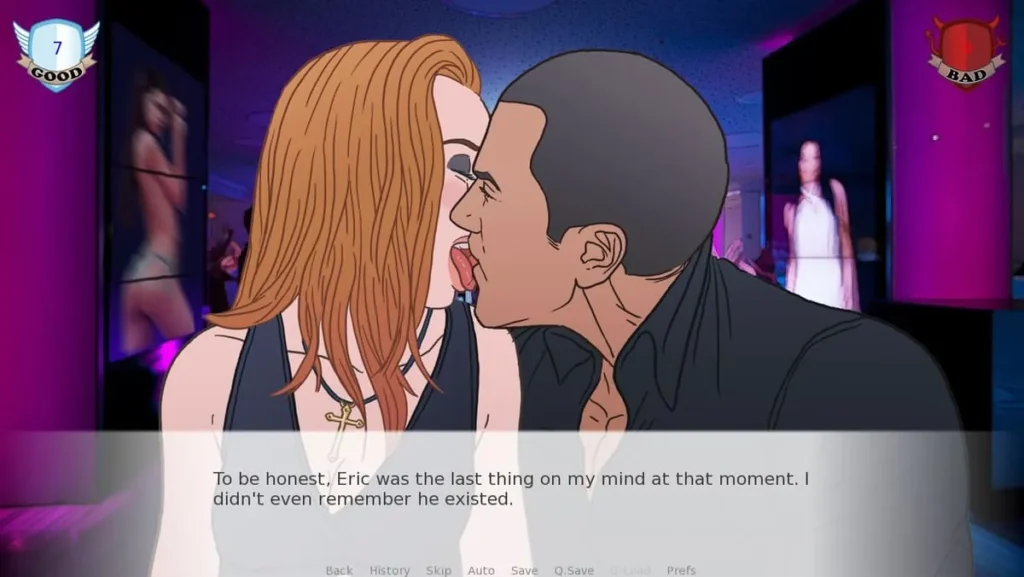
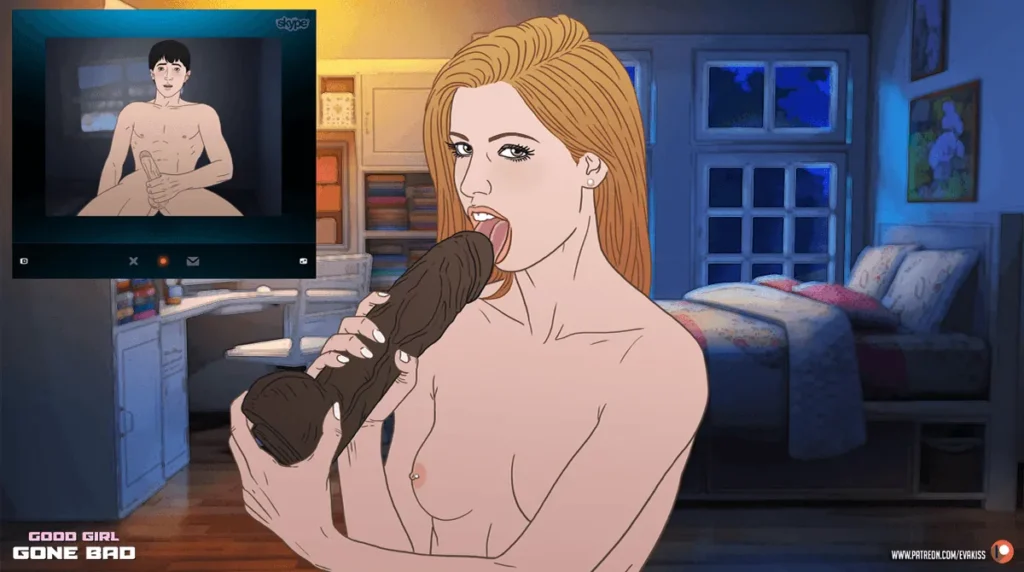
At its heart, the Good Girl Gone Bad game is an adult visual novel crafted by developer Eva Kiss. But to label it just that feels reductive. It’s a sophisticated experiment in choice-based storytelling, where you don’t just watch Ashley Graham’s life—you actively build it, one consequential decision at a time. 🎨 Unlike many games in its genre that rely on repetitive 3D models, Good Girl Gone Bad captivates with a distinctive, expressive hand-drawn art style. Every raised eyebrow, every hesitant smile, is packed with character, pulling you deeper into its morally complex world. Eva Kiss’s vision was clear: to create a coherent, deep narrative where player agency isn’t a marketing buzzword, but the very engine of the story.
What Is Good Girl Gone Bad and How Does It Work?
So, how does this Good Girl Gone Bad game actually function? Let’s strip it down to its core. Imagine a book where you, the reader, get to write the protagonist’s thoughts, dialogue, and actions on every page. That’s the essence of this visual novel gameplay mechanics. You are placed directly in the shoes—and mind—of Ashley Graham, a young woman on the cusp of a life-altering summer.
The framework is deceptively simple: you read text, view beautifully rendered scenes, and are presented with choices. But here’s the magic—these aren’t just cosmetic “flavor” choices. They are the architectural beams of the entire story. The game operates on a kinetic visual novel foundation driven almost entirely by these text-based decisions. There are no complex stat sheets to manage or mini-games to master. The primary “gameplay” is the act of thoughtful selection, making the interactive fiction game aspect profoundly cerebral and personal.
Pro Tip: Don’t rush your choices! The weight of a decision isn’t always obvious. Sometimes a seemingly minor, polite refusal can close off entire story arcs hours later.
The Ashley Graham character starts as a relatable canvas—a bit naive, eager to please, and unsure of her own desires. Your journey is to color in that canvas. Will she remain the “good girl” society expects, or will she explore the liberating, chaotic, and sometimes dangerous path of the “bad girl”? Or perhaps you’ll forge a unique, nuanced path somewhere in between? This is where the game shines. It doesn’t judge. It presents scenarios, characters with their own motivations, and then it trusts you with the outcome. The mature themes and adult content are woven directly into this narrative structure; they are consequences of choices, not the sole purpose of them, which is what elevates it beyond typical fare.
Choice-Based Gameplay and Branching Narratives
This is where the rubber meets the road. The choice-based storytelling in Good Girl Gone Bad is what has earned it such a dedicated following. Remember those “choose your own adventure” books from childhood? This is that concept, matured, deepened, and given stunning visual life. Every chapter is a crossroads, and the path you choose genuinely diverges, often in ways you can’t foresee.
Let’s talk about branching narrative choices. Early in the game, Ashley might be invited to a party. You can choose for her to:
* Stay home and study (seeking validation as a “good” student).
* Go to the party but remain reserved (playing it safe).
* Go to the party and fully indulge in the experience (seeking new thrills).
This single decision doesn’t just change a line of dialogue. It can determine which friends she bonds with, which romantic or risky entanglements become available, and even alter her core personality traits that the game tracks behind the scenes. This creates an astonishing level of narrative depth. I once replayed a single weekend in the game three times, and by the end of each session, Ashley was in completely different social circles, with different secrets and different futures ahead of her. That’s the power of true branching narrative choices.
The structure means there is no single “canon” story. Your version of Ashley’s summer is uniquely yours. The game’s visual novel gameplay mechanics support this by allowing you to save frequently and even jump back to key decision points, encouraging experimentation. Want to see what happens if you betray a friend’s trust? Or if you stand up to a manipulative figure? The game not only allows it but crafts a compelling, coherent story around that new direction.
To visualize how these decisions cascade, here’s a look at some major branching paths and their potential outcomes:
| Your Core Approach as Ashley | Key Early Decisions | Potential Long-Term Outcomes & Endings | Narrative Theme |
|---|---|---|---|
| The “Good Girl” Path 👼 | Prioritize studies, obey parents, reject risky ventures, maintain old friendships. | A “stable” but potentially unfulfilling ending. Ashley may achieve traditional success but grapple with regret and a sense of a life unexplored. Relationships are “safe” but may lack passion. | Conformity vs. Desire. Explores the pressure of societal expectations. |
| The “Bad Girl” Path 😈 | Skip responsibilities, embrace hedonism, seek out new, edgier social circles, explore sexuality freely. | Endings filled with excitement and freedom, but often at a cost. Ashley may gain confidence and autonomy but risk burning bridges, facing consequences, or losing herself in chaos. | Liberation vs. Self-Destruction. A deep dive into exploring boundaries and personal agency. |
| The Balanced/Calculated Path ⚖️ | A strategic mix. Be “good” in certain scenarios to maintain advantages, while secretly exploring “bad” opportunities when the risk is low. | The most complex and varied endings. Ashley might craft a life that appears conventional on the surface but is rich with secret experiences and personal power. This path often leads to the most surprising character evolutions. | Agency and Duplicity. Highlights the complexity of modern identity and the masks we wear. |
Character Development and Story Paths
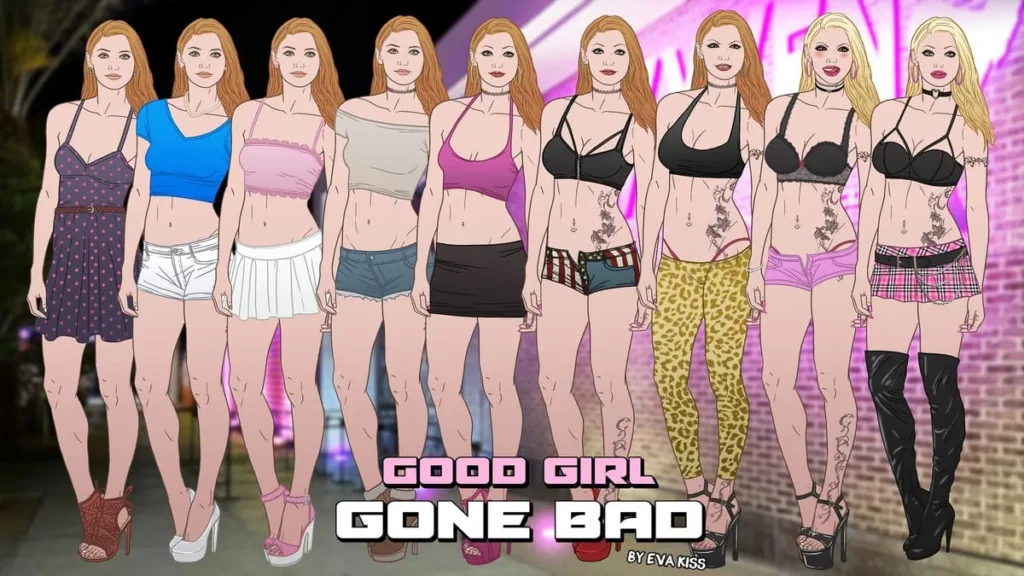
The true genius of the Good Girl Gone Bad game lies in how its mechanics serve the Ashley Graham character. She isn’t a static figure; she is a culmination of your choices. This character development is organic. If you consistently choose rebellious options, the game’s writing and even Ashley’s internal monologue will begin to reflect a more confident, cynical, or adventurous worldview. Conversely, a penitent path after a wild phase leads to nuanced writing about regret and reconciliation.
Relationships are the crucible for this development. Every major character—from best friends and love interests to family and antagonists—reacts to the Ashley you are creating. Be flaky, and friends become distant. Be brave and supportive, and you’ll unlock deeper bonds. Be manipulative, and you might turn relationships into transactional power games. 🫂 The adult visual novel elements are integrated here as well; intimacy is often presented as a narrative milestone in a relationship path, a result of emotional choices rather than a simple achievement to unlock.
This creates a vast web of story paths. Think of it not as one story with a few endings, but as a dozen tightly-woven novellas sharing the same opening chapter. You might play a story path where Ashley finds empowerment through a secret, dominant relationship. Another where she navigates the complexities of polyamory. Or one where she uses her sexuality as a tool for social climbing, leading to a tense, dramatic narrative of power and betrayal. The branching narrative choices ensure that no two players will experience all of these facets in a single run, making each playthrough a unique exploration of the game’s world.
My personal favorite run was one where I aimed for a “redemption” arc. I let Ashley spiral into a hedonistic phase early on, making mistakes and hurting people. Then, I used a key moment of consequence to steer her toward making amends. The writing for that journey—the awkward apologies, the struggle to rebuild trust, the bittersweetness of some bonds being forever changed—was some of the most compelling interactive fiction game storytelling I’ve ever experienced. It felt earned and real.
Ultimately, Good Girl Gone Bad demonstrates that the most powerful visual novel gameplay mechanics are the ones that fade into the background, making you forget you’re playing a game and instead make you feel like you’re living a life, with all its difficult, thrilling, and meaningful branching narrative choices.
Frequently Asked Questions
How long is a single playthrough of Good Girl Gone Bad?
A single, linear playthrough focusing on one major story path typically takes between 6 to 10 hours. However, the game is designed for multiple replays, and seeing a significant portion of all content can easily take 30+ hours.
Are there any “game over” or fail states?
Not in a traditional sense. The narrative always continues based on your choices. However, certain decisions can lead to negative consequences like ending relationships, closing off story arcs, or leading to less desirable endings for Ashley. These aren’t “fails,” but narrative outcomes.
How many endings are there?
The game features a multitude of endings, as the conclusion is tailored to the specific combination of relationships, personality traits, and key decisions you’ve made. There are several major thematic endings (e.g., triumphant, tragic, balanced, corrupted) with countless variations within them.
Is there a “right” or “best” way to play?
Absolutely not! 🎯 The core philosophy of the game is player agency. The most rewarding approach is to role-play and make choices that feel true to the Ashley you want to guide in that moment, then live with the consequences. There is immense value in playing “against type” on a second run to see how the story transforms.
How does the game handle saving and replaying different choices?
The game has a robust save system, allowing you to create multiple manual saves. It’s highly recommended to save at key decision points (the game often hints at these) so you can easily branch off and explore alternative choices without replaying everything from the start.
Good Girl Gone Bad stands out in the visual novel landscape by combining meaningful player agency with sophisticated narrative design. The game’s emphasis on hand-crafted artwork, complex character development, and morally nuanced storytelling creates an engaging experience for players seeking interactive fiction with real consequences. Whether you’re exploring different character paths, discovering hidden story branches, or experiencing the various endings, the game rewards experimentation and multiple playthroughs. The choice-driven mechanics ensure that your decisions genuinely shape Ashley’s journey, making each playthrough feel personal and distinct. For those interested in adult-oriented visual novels that prioritize narrative depth and player freedom, Good Girl Gone Bad offers a compelling experience that challenges conventional storytelling in interactive media.