Summer’s Gone
Play Summer’s Gone
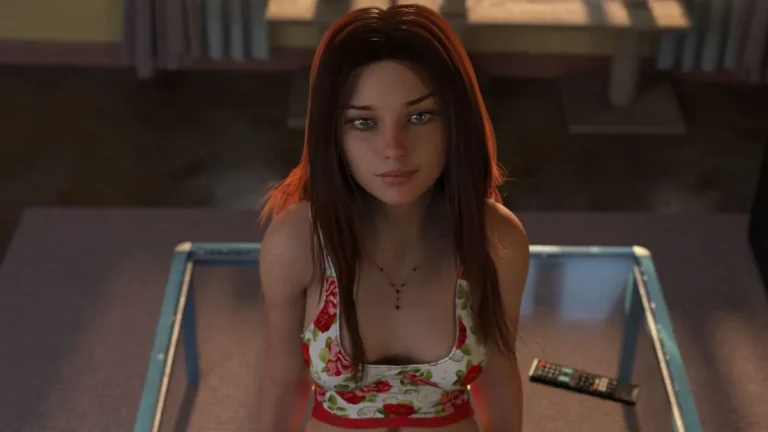
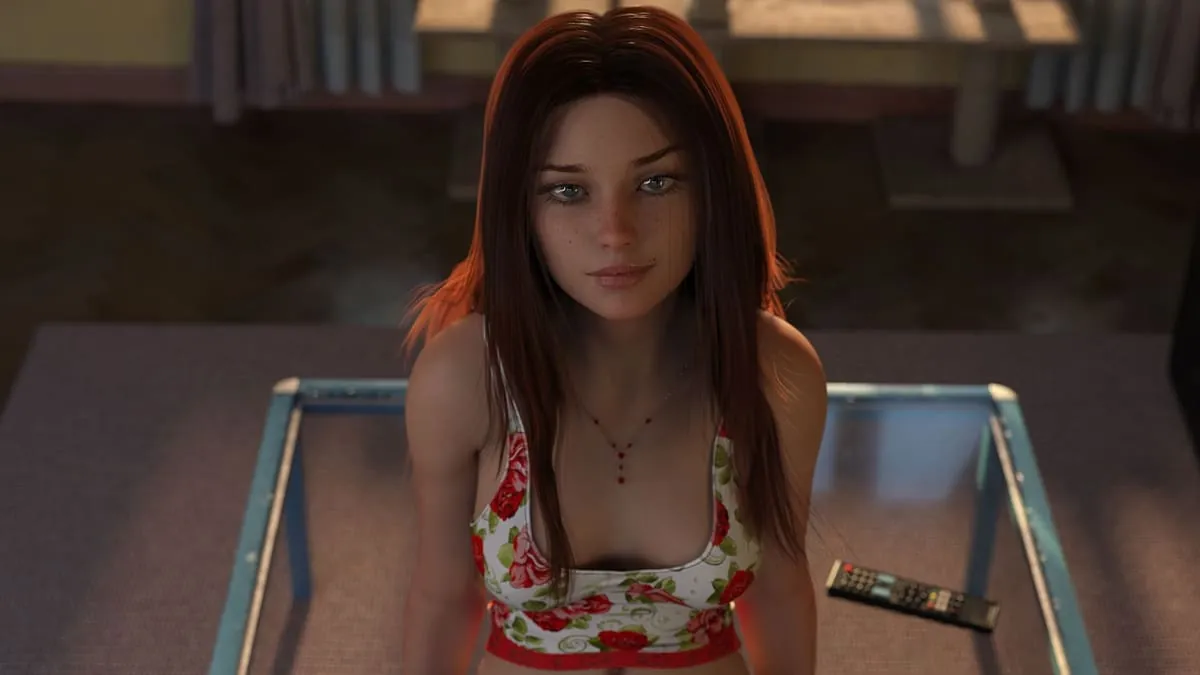
Summer’s Gone Screenshots















Summer’s Gone review
A practical, player-focused breakdown of Summer’s Gone and how to get the most from it
Summer’s Gone is an interactive narrative game that blends branching choices, relationship-building, and mature themes into a multi-chapter experience designed for adult players. In this article I walk you through the game’s core systems, narrative structure, and practical strategies I learned while playing, so you can make informed choices and experience the endings you want. Whether you’re starting your first playthrough or aiming for completionist runs, this guide provides actionable tips, example decision paths, and community resources to help you navigate Summer’s Gone.
Understanding Summer’s Gone: Story, Structure, and Content
What is Summer’s Gone and who is it for? 😊🎮
Let’s cut to the chase. If you’re here, you’re probably curious about what this Summer’s Gone game overview is all about. In its simplest form, Summer’s Gone is a visual novel—a story-driven experience where you guide the main character through a world of choices, consequences, and rich relationships. But that label doesn’t do it justice. It’s less a traditional game and more an interactive, cinematic story where your decisions genuinely shape the world and the people in it.
The premise hooks you from the start. You step into the shoes of a young man named William (though he goes by a different name now), who is grappling with a profound, life-altering loss. Years after a traumatic event, he’s a shadow of his former self—withdrawn, cynical, and struggling to reconnect with a world that moved on without him. The core of the Summer’s Gone story structure revolves around his slow, often painful journey toward healing, set against the backdrop of returning to college and navigating a complex web of new and old friendships.
So, who is it for? 🤔 This isn’t a lighthearted dating sim. The tone is introspective, moody, and deeply emotional. It’s for players who value character development and narrative weight over quick action. If you enjoy stories that explore themes of grief, recovery, and the messy process of rebuilding oneself, you’ll find a lot to love. The stunning, high-quality renders and a killer soundtrack create an atmosphere that’s utterly immersive. From my personal play experience, I was drawn in not by a desire to “win,” but by a genuine curiosity about William’s path and the fascinating, flawed characters around him.
Narrative structure: chapters, choices, and endings 📖➡️
Understanding how the story unfolds is key to enjoying your time with it. The Summer’s Gone chapters are the building blocks of the entire experience. Think of them as episodes in a season of a TV show. Each one advances the main plot, develops relationships, and introduces new dilemmas.
The release schedule is episodic, meaning new chapters arrive as the developer completes them. This can be a blessing and a curse—it’s exciting to get new content, but it requires patience! The Summer’s Gone story structure within each chapter is meticulously crafted, blending linear storytelling moments with critical junctures where you, the player, take the wheel.
This is where the magic happens: Summer’s Gone choices endings are not a simple binary. The game employs a sophisticated system of branching paths and hidden variables. A seemingly small dialogue option in Chapter 1 can lock or unlock entire story arcs, character interactions, and romantic possibilities many hours later. Your reputation with each character is constantly tracked, influencing how they perceive and react to you.
Let me give you a personal anecdote that blew my mind. 🕵️♂️ Early on, I had a casual conversation with Bella, a central character. The game presented a choice: to open up slightly about my character’s past or to deflect with a sarcastic comment. Thinking I was just role-playing a guarded personality, I chose sarcasm. The immediate outcome was just a slightly colder response from her—no big deal, I thought.
Fast forward to a pivotal scene several chapters later. Bella was opening up about her own vulnerabilities, creating a moment for a real connection. Because of that early choice, however, my character didn’t have the necessary “trust points” with her. The option for a heartfelt, relationship-deepening conversation was simply gone. Instead, I was stuck with superficial responses. That single, offhand decision hours earlier had quietly closed a major door in the story. It was a powerful lesson in how carefully the game’s world reacts to you.
To manage this, your best friends are named saves and an understanding of the decision checkpoints. Here’s my actionable advice:
* Save Early, Save Often, and NAME THEM: The game offers multiple save slots. Before any major conversation or event, create a new save and give it a descriptive name like “Before_Pool_Party” or “Choice_Bella_OpenUp”.
* Understand the Checkpoints: The game doesn’t always autosave before big choices. It’s on you to create your own safety nets.
* The Export/Import Lifeline: If you want to explore radically different paths without replaying tens of hours, use the export/import function. You can export your save file at a key moment, play one path, then import the old save to try another. This is a fantastic way to experience the branching narrative without commitment.
To visualize the flow of the Summer’s Gone chapters and choice impact, here’s a quick reference:
| Chapter Focus | Typical Length & Content | Choice Impact Example |
|---|---|---|
| Early Chapters (1-2) | Foundation. Introduces core cast, main conflict, and setting. Several hours of story. | Establishing initial rapport with key characters. These set hidden flags for future availability. |
| Middle Chapters (3-4+) | Development. Relationships deepen, subplots emerge, consequences of early choices become visible. | Major branching in romantic paths. Deciding who to spend time with often excludes others. |
| Latest Chapters | Escalation. Plots converge, emotional payoffs, and setting the stage for final arcs. | Choices can lead to dramatic confrontations, breakups, or solidifying a primary relationship path. |
Content warnings and age/responsibility guidance ⚠️🔞
This is a critical part of any Summer’s Gone game overview. Summer’s Gone deals with mature themes and is created for an adult audience. Providing clear Summer’s Gone content warnings isn’t about scaring you off; it’s about ensuring you can engage with the story in a prepared and comfortable way. This is a story that earns its emotional weight, but it doesn’t shy away from heavy subjects.
Here is a breakdown of the primary mature content categories present:
- Psychological Themes: This is the core. The game deals extensively with trauma, depression, anxiety, and grief. The protagonist’s mental state is a central plot point, and scenes can be emotionally intense.
- Romantic and Sexual Content: As a story about relationships, romantic and sexual content is present. This includes nudity and explicit scenes. It’s important to note that the development of these relationships is typically slow-burn and contextual to the story.
- Complex Relationships: The story involves power dynamics, jealousy, and complicated interpersonal conflicts that can feel very real and, at times, uncomfortable.
- Strong Language: The dialogue includes profanity consistent with its college setting and characters under stress.
My personal insight: The game handles its heaviest themes with a surprising amount of nuance and care. It’s not sensationalistic. The focus is on the emotional and psychological impact on the characters, which can make it more resonant, but also more demanding on the player.
Now, for the practical Summer’s Gone walkthrough beginner tips regarding this content: You have options. The developer and the community provide ways to tailor the experience.
- Official In-Game Settings: Always check the game’s settings menu first. Some visual novels include toggles to minimize or skip certain types of content.
- Community-Maintained Patches: This is a big one in the visual novel community. Independent groups often create patches that can modify game content. These can range from simple translation fixes to more substantial alterations. It’s worth searching for community forums or guides that discuss the availability of such patches for Summer’s Gone if you have specific preferences.
- Walkthroughs as a Guide: If you’re concerned about stumbling into storylines that might be upsetting, consulting a community walkthrough can be a great help. These guides often map out the choice trees, allowing you to see the potential consequences and themes of a path before you commit. They won’t spoil everything if you use them sparingly, but they can help you steer the story in a direction you’re comfortable with.
Ultimately, my guidance is to approach Summer’s Gone with the same responsibility you would a compelling, mature-rated film or novel. It’s an experience designed for reflection. The Summer’s Gone choices endings you reach are deeply personal, shaped by how you guide a broken character through a world that is both harsh and beautiful. By understanding its structure, respecting its content, and using smart save practices, you’re set to get the absolute most from this unforgettable story. 🚀
Summer’s Gone is a branching narrative experience that rewards planning, careful saves, and curiosity about character paths. By understanding core mechanics, prioritizing key decision moments, and using disciplined save management you can tailor runs toward the scenes and endings you care about. If you’re starting out, try one relaxed full playthrough to feel the story, then use the chapter and choice highlights above to pursue alternate arcs. If you want help with a particular branch or technical issue, share the specific chapter and choices you’ve made and the community or I can help you refine the path.