
TableTop BornStar
Play TableTop BornStar
TableTop BornStar Screenshots

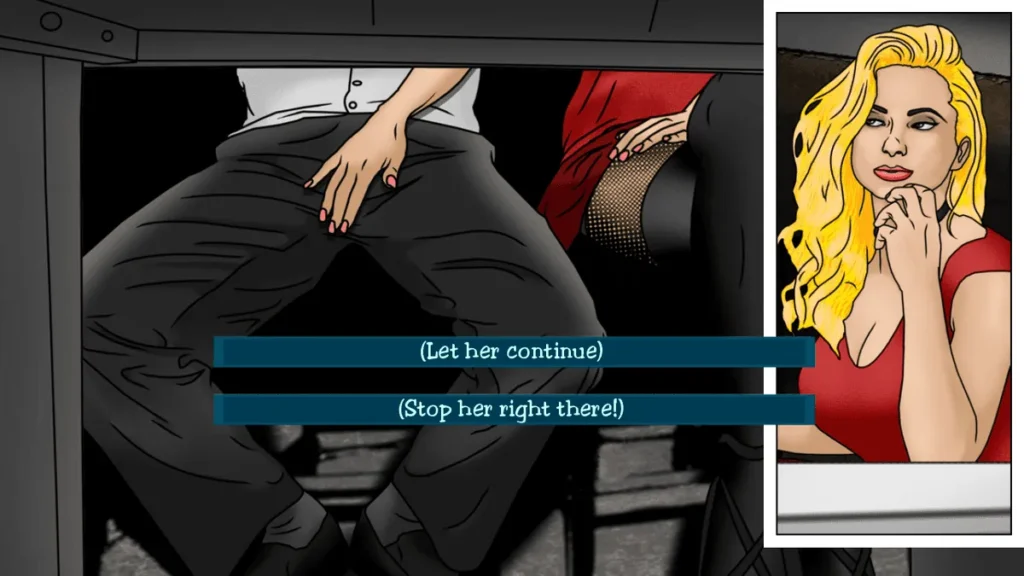

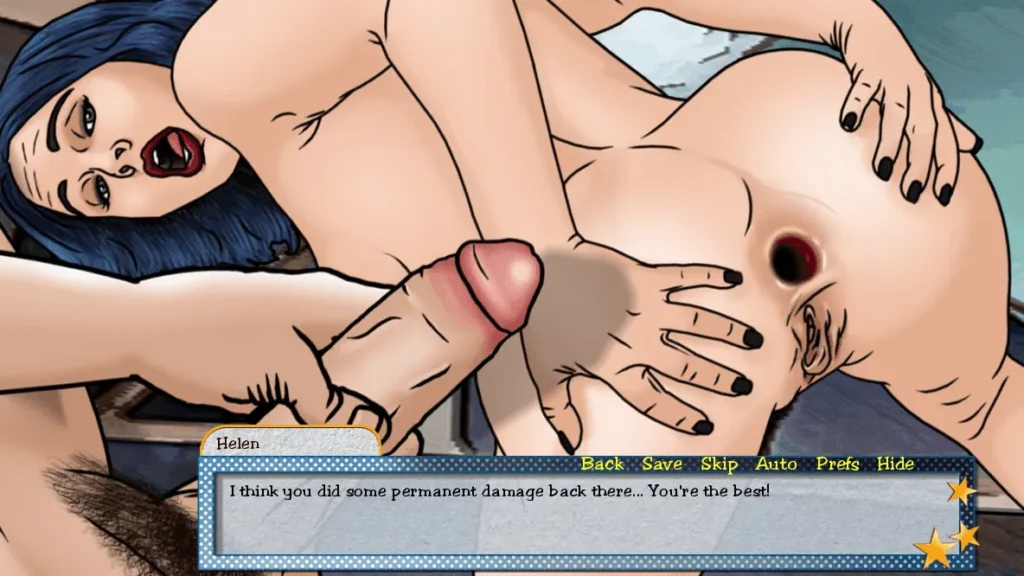


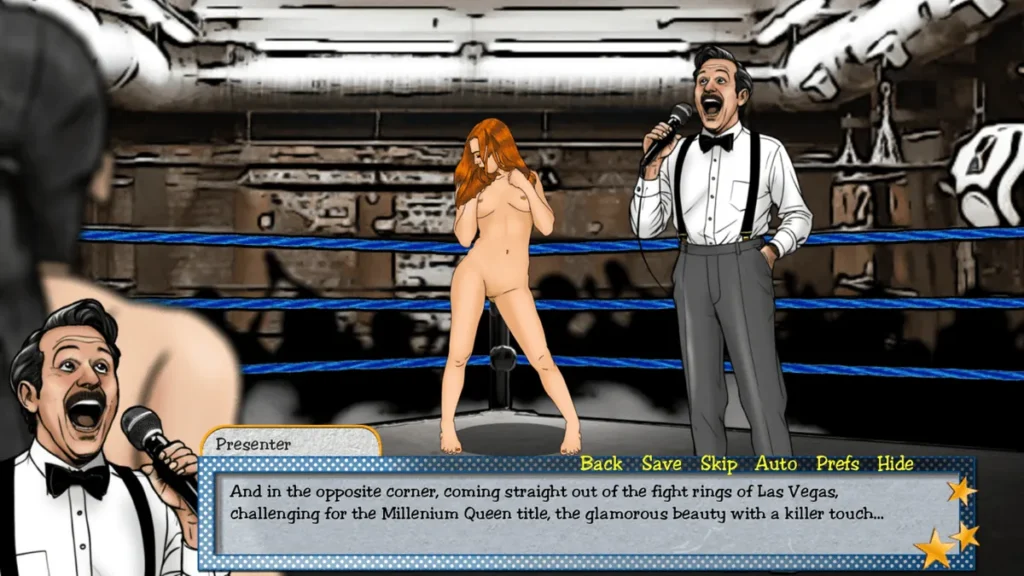

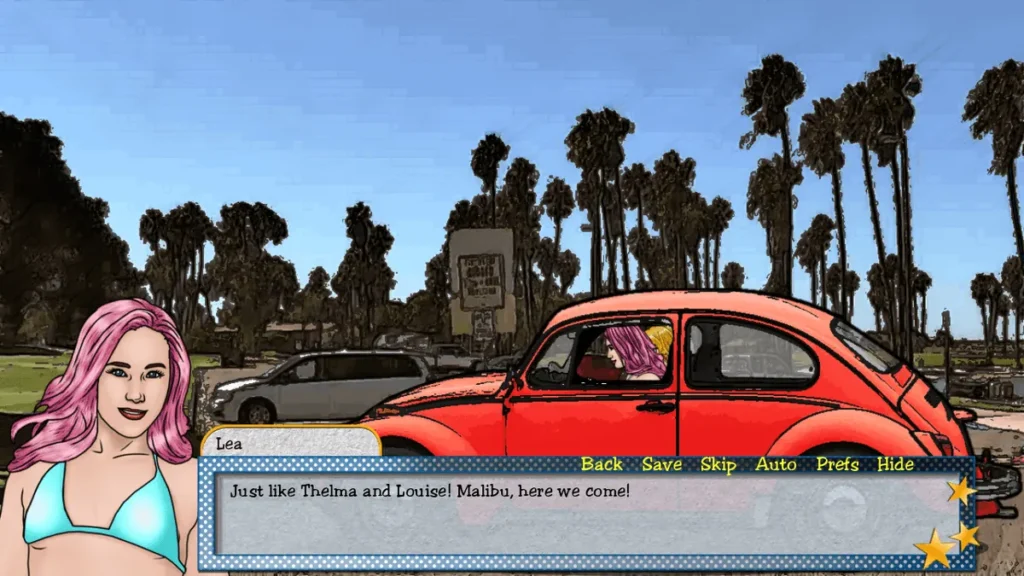
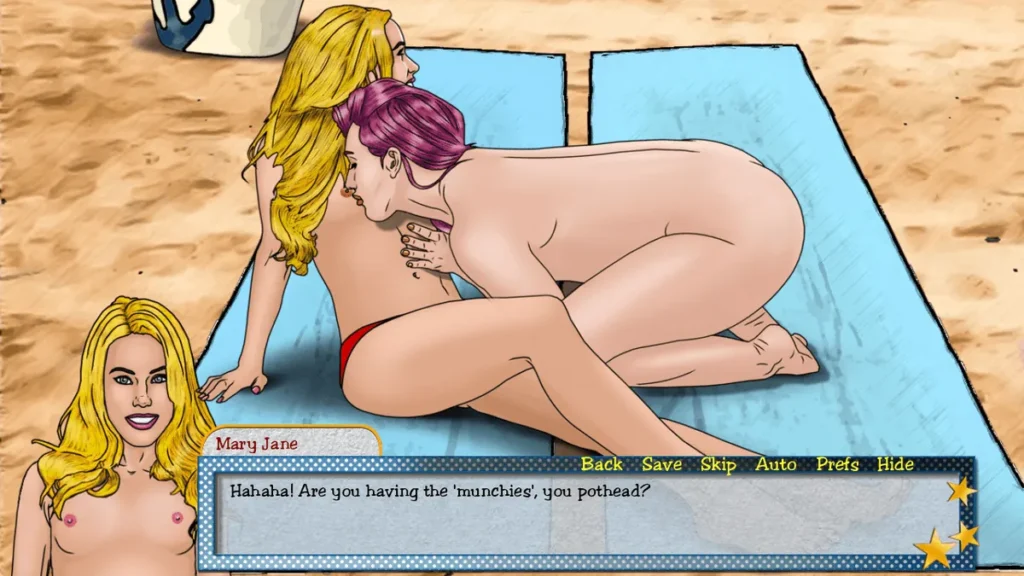
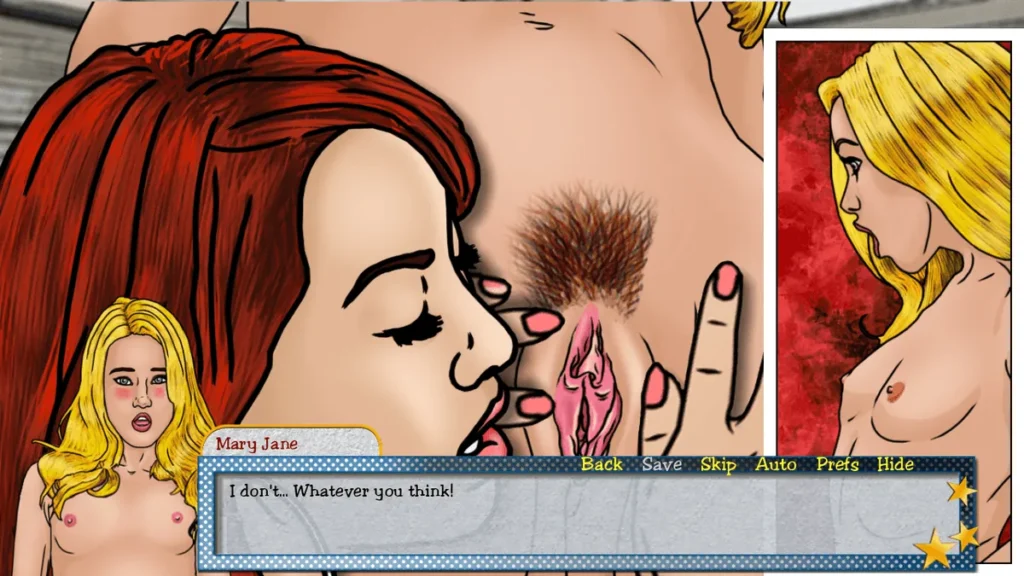

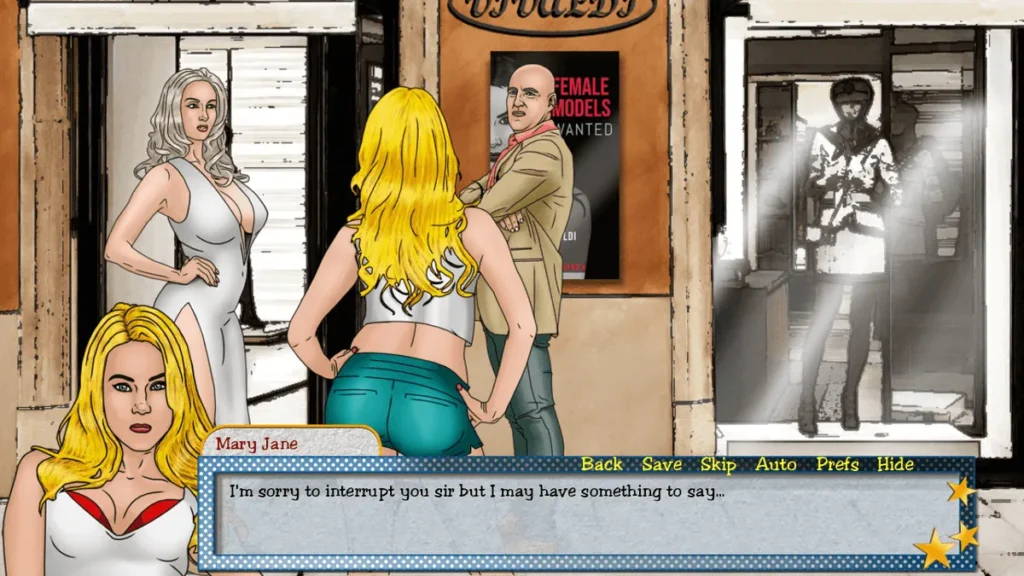
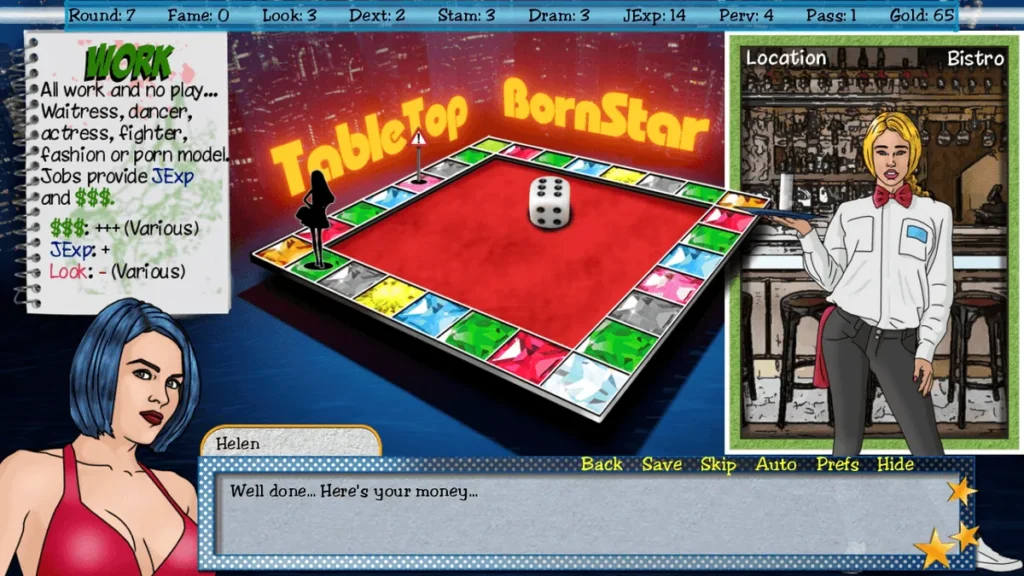

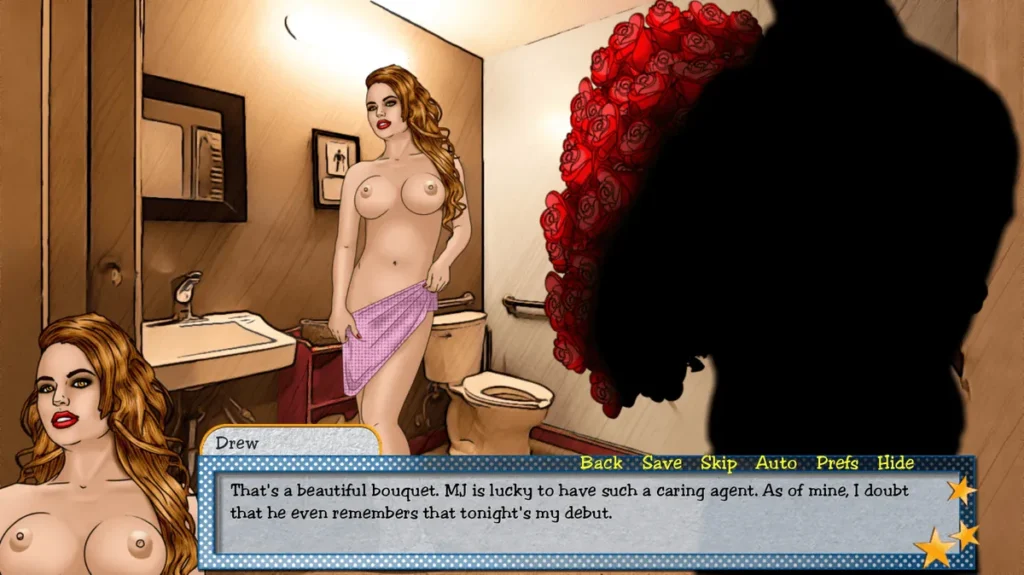


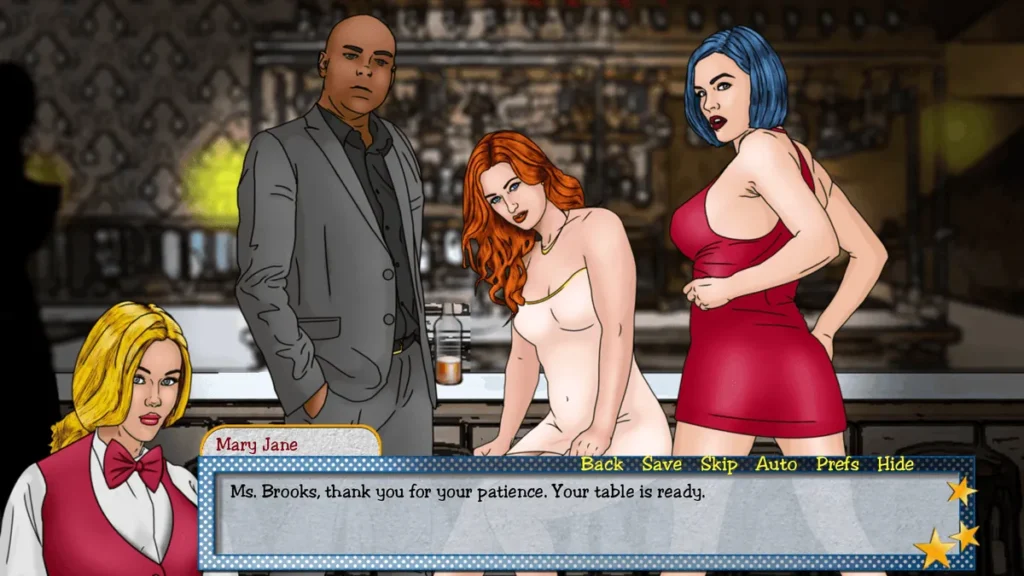



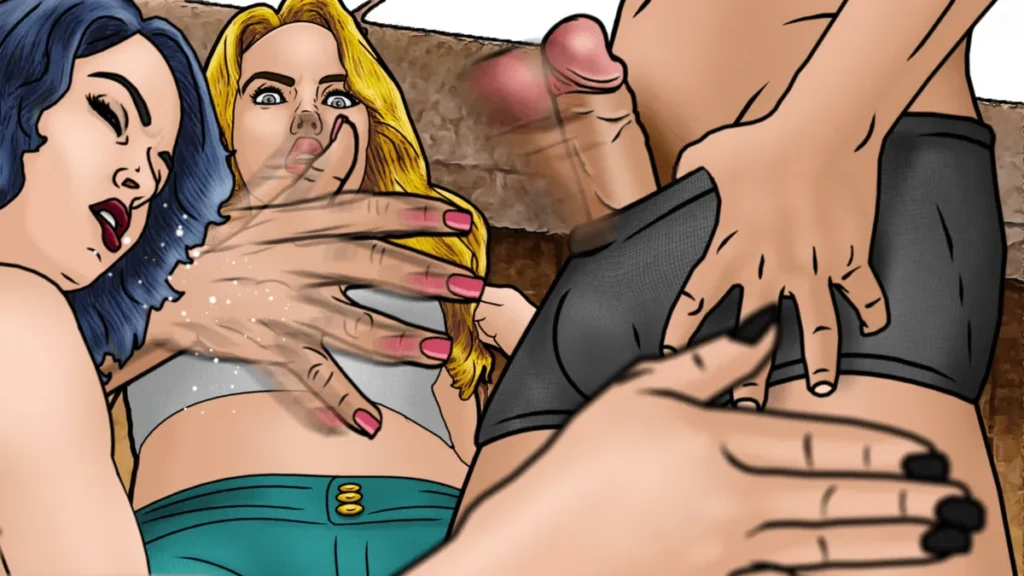
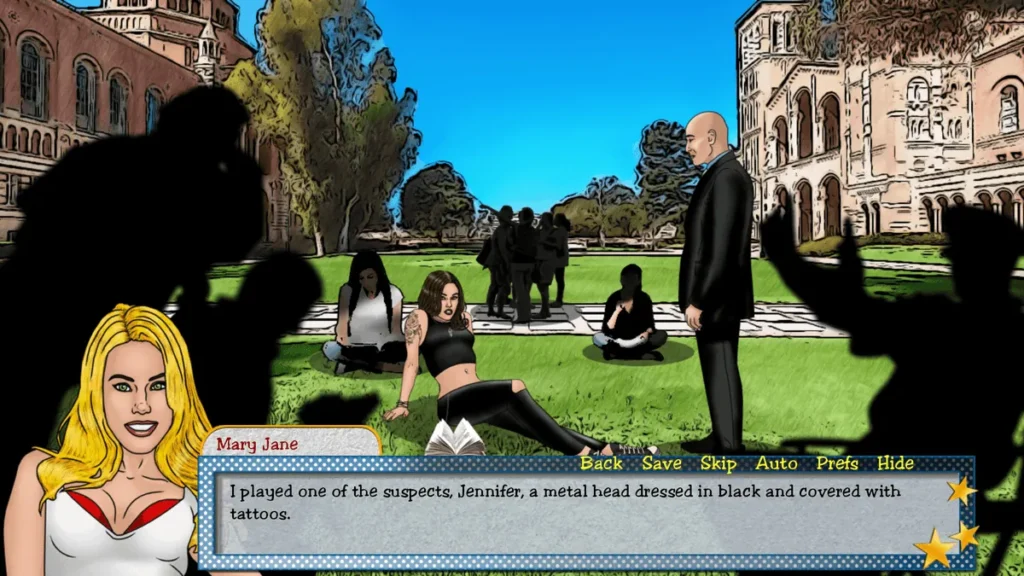
TableTop BornStar review
Dive into Hollywood’s Dark Side with Dice, Cards, and Choices
Hey there, fellow gamers! Ever dreamed of wheeling and dealing in 1999 Hollywood as a shady talent agent? TableTop BornStar hooked me from the first roll of the dice. This adult visual novel blends tabletop mechanics like dice and cards with a gritty story of corruption, fame, and tough choices. You guide Mary Jane, a wide-eyed country girl chasing stardom, while under house arrest. Will you lift her up or drag her down? I’ve sunk hours into it, and the multiple endings keep me coming back. Let’s break down why TableTop BornStar is your next obsession.
What Makes TableTop BornStar Gameplay So Addictive?
I’ll never forget my first real dice roll in TableTop BornStar. 🎲 Mary Jane, the wide-eyed hopeful from Nebraska, was about to walk into her first big audition. I, the disgraced agent pulling the strings from my mansion prison, had a choice: give her a generic pep talk or teach her a ruthless, cutting trick to undermine the competition. I chose the latter. The game prompted me to roll a ten-sided die to see if she could pull off the deception without cracking. My heart actually pounded. I rolled a 2. A critical failure. Instead of a confident starlet, she came off as sneaky and insecure, blowing the audition and coming home in tears. That single roll completely changed our relationship and the trajectory of our story. That’s the magic of TableTop BornStar gameplay—you’re never just clicking through dialogue; you’re gambling with someone’s future.
This is the core of what makes this experience so uniquely gripping. It masterfully blends the deep, character-driven narrative of an adult visual novel with the tangible, strategic tension of tabletop gaming. You’re not just watching a story about Hollywood’s dark side; you’re navigating it with dice in one hand and a deck of opportunity cards in the other. Every decision feels weighty because it’s backed by chance and strategy, creating a multiple endings visual novel where your path is never guaranteed. Let’s dive into the mechanics that make this happen.
How Dice and Cards Drive the Story Forward
At its heart, how to play TableTop BornStar is about managing risk and resources. The dice and cards mechanics aren’t just tacked-on mini-games; they are the primary engine for every major story beat and character development moment.
Think of the dice as the pulse of raw chance in 1990s Hollywood. You’ll use them for everything from determining the success of a risky photo shoot to seeing if a lie holds up under pressure. Different colored dice represent different attributes—like Mary Jane’s Charisma, Ambition, or your own agent’s Finesse—adding a layer of strategy to which stat you commit to a challenge. A failed roll isn’t a “game over” screen; it’s a narrative twist. That failed audition from my story? It opened up a whole new subplot about rebuilding her shattered confidence, which was arguably more interesting than had she succeeded.
The card system is your strategic toolkit. 🃏 As you progress, you build a deck of “Connection,” “Opportunity,” and “Tactic” cards. These represent your agent’s network, available jobs, and underhanded tricks. You might play a “Gossip Columnist Favor” card to spin a scandal, or a “Late-Night Talk Show Spot” card for a publicity boost. The genius is that you often have to combine a card play with a dice roll. You could use a “Vocal Coach” card to give Mary Jane a bonus on her next performance roll, for example. Managing your limited hand of cards against the unpredictable dice rolls creates a fantastically engaging puzzle.
To give you a clearer picture, here’s how these two core pillars work together:
| Mechanic | Purpose | Strategy Tip | Impact on Story |
|---|---|---|---|
| Dice Roll (e.g., d10 for Skill Check) | Resolves uncertain actions, tests character stats, introduces chance. | Save high-value cards to boost crucial rolls for pivotal scenes. Don’t waste them on minor choices. | Directly opens or closes story branches. Failure can lead to unexpected, often narratively rich, new paths. |
| Card Play (e.g., “Dark Secret” or “A-List Party Invite”) | Represents resources, social capital, and prepared tactics. Provides modifiers or triggers special events. | Curate your deck! Remove weaker, generic cards whenever you earn more powerful, scene-specific ones. | Unlocks exclusive dialogue options, shortcuts through challenges, or initiates unique corruption/redemption scenes. |
The early versions of the game sometimes struggled with pacing, as players could hit a streak of bad luck. But recent updates have brilliantly introduced a “Fate Point” system—earned through strong role-playing—that allows you to nudge a dice roll or redraw a terrible hand. This doesn’t remove the challenge but smooths out the frustration, keeping you immersed in the Hollywood 1999 setting instead of fighting the RNG gods.
Mastering Choices in Hollywood’s Cutthroat World
And what a setting it is. The Hollywood 1999 setting isn’t just backdrop; it’s a character. 📼 The game oozes late-90s atmosphere, from the chunky cell phones and Y2K anxiety to the specific glitz and grime of the pre-digital entertainment industry. You guide Mary Jane through this world, and every recommendation you make is a moral choice in TableTop BornStar.
This is where the game truly shines. As the agent, you’re constantly deciding: Do I build her career on talent and integrity, a slow and difficult path? Or do I exploit the system—and her—for fast fame? The game frames this through the lens of a corruption fetish game, meaning it thoughtfully explores the allure, process, and consequences of moral decay. Will you have her be “discovered” at a sleazy pool party? Will you advise her to trade favors for roles? The temptation is real because the game makes the corrupt path seductively easy and immediately rewarding.
Personal Insight: I once played a full “guardian angel” run, refusing every shady deal. The satisfaction was immense, but the road was brutally hard, requiring perfect card management and dice rolls. My “corrupt” playthrough was a landslide of success… until the haunting, quiet endings where Mary Jane had everything she thought she wanted, and nothing she actually needed. Neither path feels judgmental; both feel authentic to the world.
Your choices directly shape Mary Jane’s core traits. Pushing her toward corrupt choices increases her “Cynicism” stat, which unlocks new, harder-edged dialogue and card options. Guiding her with empathy boosts her “Integrity,” opening different story avenues. You’re not just choosing “good” or “evil” from a menu; you’re sculpting a person’s soul in response to a vicious environment, and the stunning visual novel artwork lets you see every flicker of hope or hardness in her eyes.
Why Multiple Endings Boost Replay Value
This intricate web of mechanics and morality exists for one brilliant purpose: to make every playthrough uniquely yours. With its multiple endings visual novel structure, TableTop BornStar has astonishing replay value. We’re not talking about a simple “good, bad, and neutral” ending. We’re talking about endings that account for Mary Jane’s final fame level, her moral compass, the state of your agent’s reputation, and the specific relationships you’ve burned or nurtured.
I’ve played through four times, and each felt dramatically different. In one, Mary Jane became a respected indie actress who eventually visited me in prison, thanking me for keeping her clean. 🎭 In another, she became a mega-star but a hollow puppet, sending a lawyer to sever all ties. One shockingly early ending had her quitting Hollywood altogether after a single, devastating betrayal I orchestrated. The TableTop BornStar gameplay loop of dice, cards, and choices ensures that reaching any of these conclusions is a dynamic story you build, not just read.
This is the key to the addiction. You finish one path and immediately think: “What if I used that ‘Blackmail’ card on the producer instead of the director?” or “What if I’d let her fail that first dice roll and learned humility earlier?” The game becomes a playground of narrative possibilities. Because your success is tied to both strategy (your card plays) and chance (your dice rolls), no two journeys to the same ending are identical.
A Sample Playthrough Story: Let’s say Mary Jane is offered a role in a low-budget horror film (a “C-List Script” card). You could play it safe and accept it. Or, you could play your “Tabloid Scandal” card to frame the actress currently in the lead for a big drama, forcing her to drop out, and then roll your “Finesse” dice to get Mary Jane that audition. Success might catapult her to stardom but link you to a dangerous enemy. Failure might get you both blacklisted. That’s one five-minute segment, and it’s brimming with strategic and ethical depth.
Practical Tips for Your Playthrough:
* Save Your “Trumps”: Hold onto your most powerful, rare cards for the major, climactic scenes in each chapter. Using them on minor scenes is a waste.
* Embrace Failure: A bad dice roll often leads to more interesting, character-building scenes than an easy success. Don’t reload immediately!
* Specialize Mary Jane: Early on, decide if you’re steering her toward music, acting, or modeling. Focus your card picks and dice checks on building that specific skill set.
* Talk to Everyone: The Hollywood 1999 setting is full of characters who can become allies or sources of crucial intel. Their subplots often yield the best cards.
Ultimately, what makes TableTop BornStar so immersive is how it makes you feel the weight of being a creator and a corrupter. You’re invested in every dice throw because it’s your plan on the line. You feel the tension of every moral choice in TableTop BornStar because you’ve spent hours building this character’s life. It’s a masterclass in blending game mechanics with narrative consequence, pulling you deep into the glamour and grim of its world. It’s more than a game; it’s a story you gamble with, and that’s a risk worth taking every time. ✨
FAQ
Q: What happens if I fail a crucial dice roll? Do I get stuck?
A: Almost never! The TableTop BornStar gameplay is designed so that failure creates new story branches. You might lose an opportunity, but the narrative adapts, often leading to unexpected and fascinating character development or alternative plot hooks. The game is about the journey, not just the destination.
Q: How do my choices actually affect Mary Jane’s personality?
A: Your guidance directly influences her hidden “Corruption” and “Integrity” meters. Choose exploitative options, and you’ll see her dialogue and the available story paths become more cynical and ruthless. Foster her talent honestly, and she’ll retain her optimism but face tougher industry hurdles. These stats unlock different card options and endings.
Q: Is the “corruption” aspect just for shock value, or is it part of the story?
A: It’s deeply woven into the narrative theme. As a corruption fetish game, it explores the seductive, gradual process of moral compromise in a predatory system. It’s not gratuitous; it’s a central, thoughtful exploration of power, ambition, and the cost of fame, making your choice to engage with it or resist it the core dramatic tension.
There you have it—TableTop BornStar isn’t just a game; it’s a wild ride through 1999 Hollywood’s shadows, powered by dice, cards, and your toughest choices. From guiding Mary Jane’s rise (or fall) to uncovering layers of corruption, every playthrough feels fresh with those branching paths and vivid scenes. I remember my first corrupt ending—it left me rethinking my strategy entirely. If you’re into strategic adult visual novels with real stakes, grab it now and start rolling. What’s your first big decision going to be? Dive in and find out!