The Sin Within
Play The Sin Within
The Sin Within Screenshots
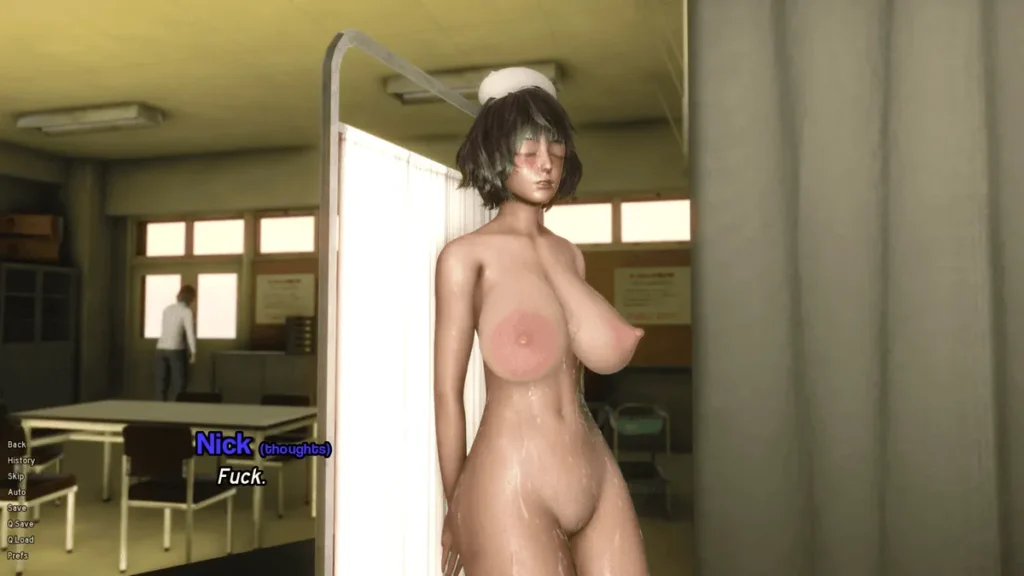
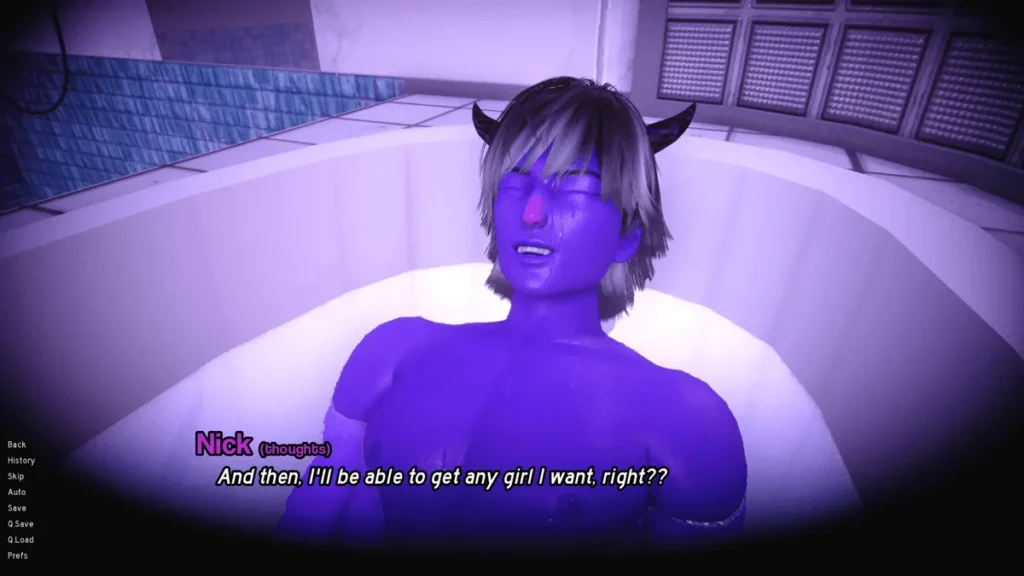
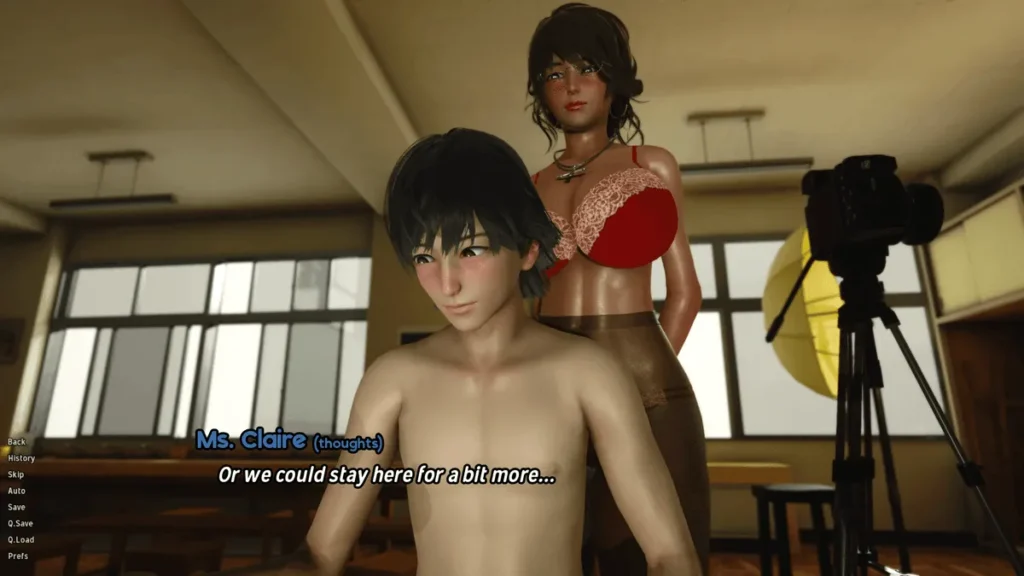
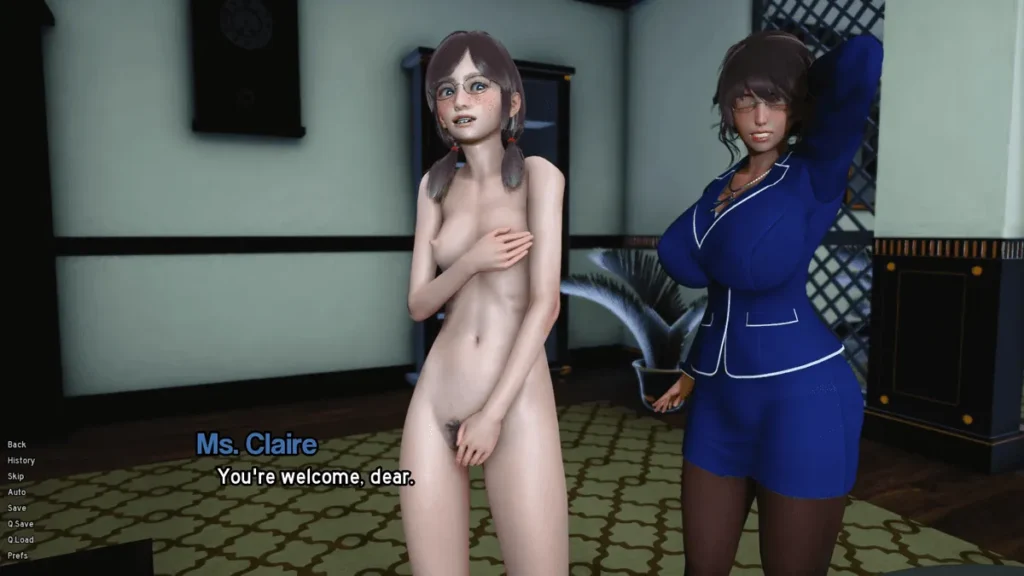
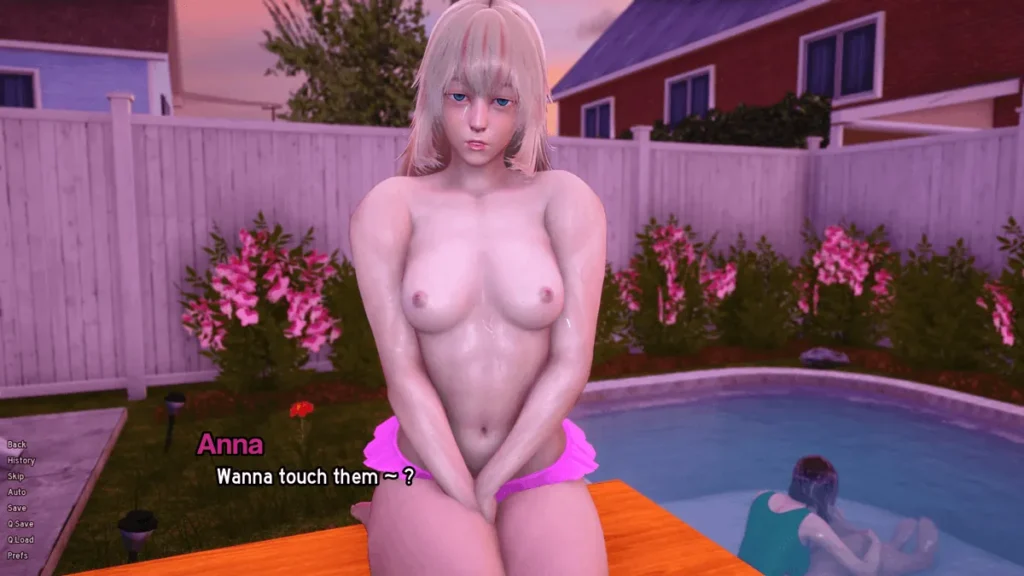
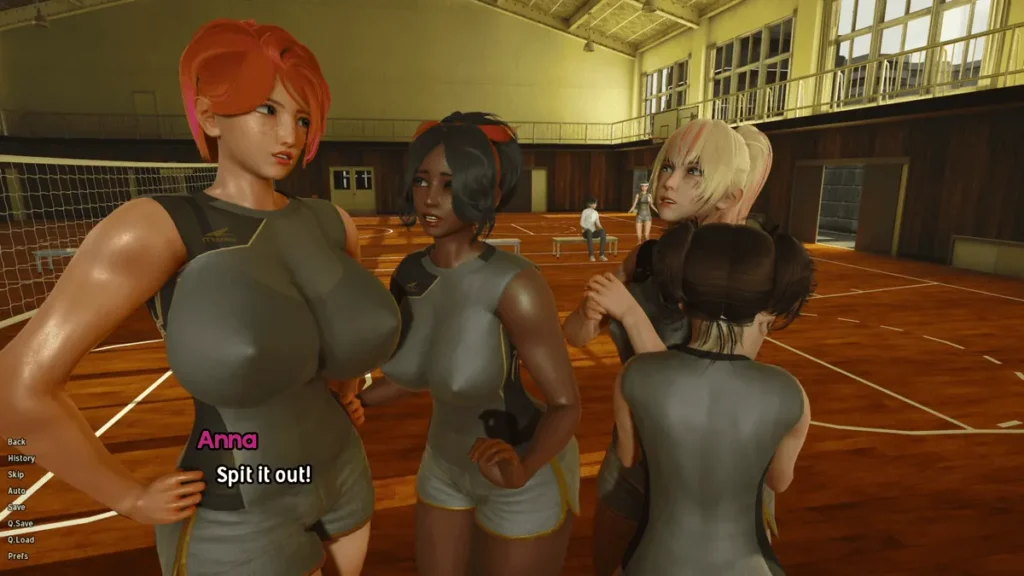
The Sin Within review
Explore the bold narrative and challenges of this banned indie title
Have you heard about ‘The Sin Within,’ the indie game that Steam banned despite years of development and over $100,000 invested? I first stumbled upon it during a late-night scroll through niche gaming forums, drawn by whispers of its provocative themes that push boundaries without crossing into exploitation. This isn’t your typical title—it’s a narrative-driven experience challenging players to confront uncomfortable tensions through unconventional storytelling. In this guide, I’ll share my hands-on insights, from its open-world exploration to the Steam drama that made headlines. Whether you’re curious about its mechanics or debating if it’s worth seeking out, stick around as we dive deep into what makes ‘The Sin Within’ a lightning rod in gaming circles.
What Makes The Sin Within Stand Out?
I remember the first time I stumbled upon The Sin Within game. It was during one of those late-night deep dives through indie forums, a place where you find titles that major stores wouldn’t dare touch. The whispers around it were a mix of intrigue and moral panic. My curiosity, of course, was piqued. 🤔 I downloaded it, not sure what to expect—was this just shock for shock’s sake, or was there something more?
What I discovered was a narrative experience that uses its challenging material not for cheap thrills, but as a scalpel to dissect personal boundaries, guilt, and the systems we live under. Its power doesn’t come from arousal, but from a deep, unsettling tension. It forces you to sit with discomfort and ask why you’re uncomfortable. This is the core of what is The Sin Within—a bold, banned experiment in interactive storytelling.
Unpacking the Core Story and Themes
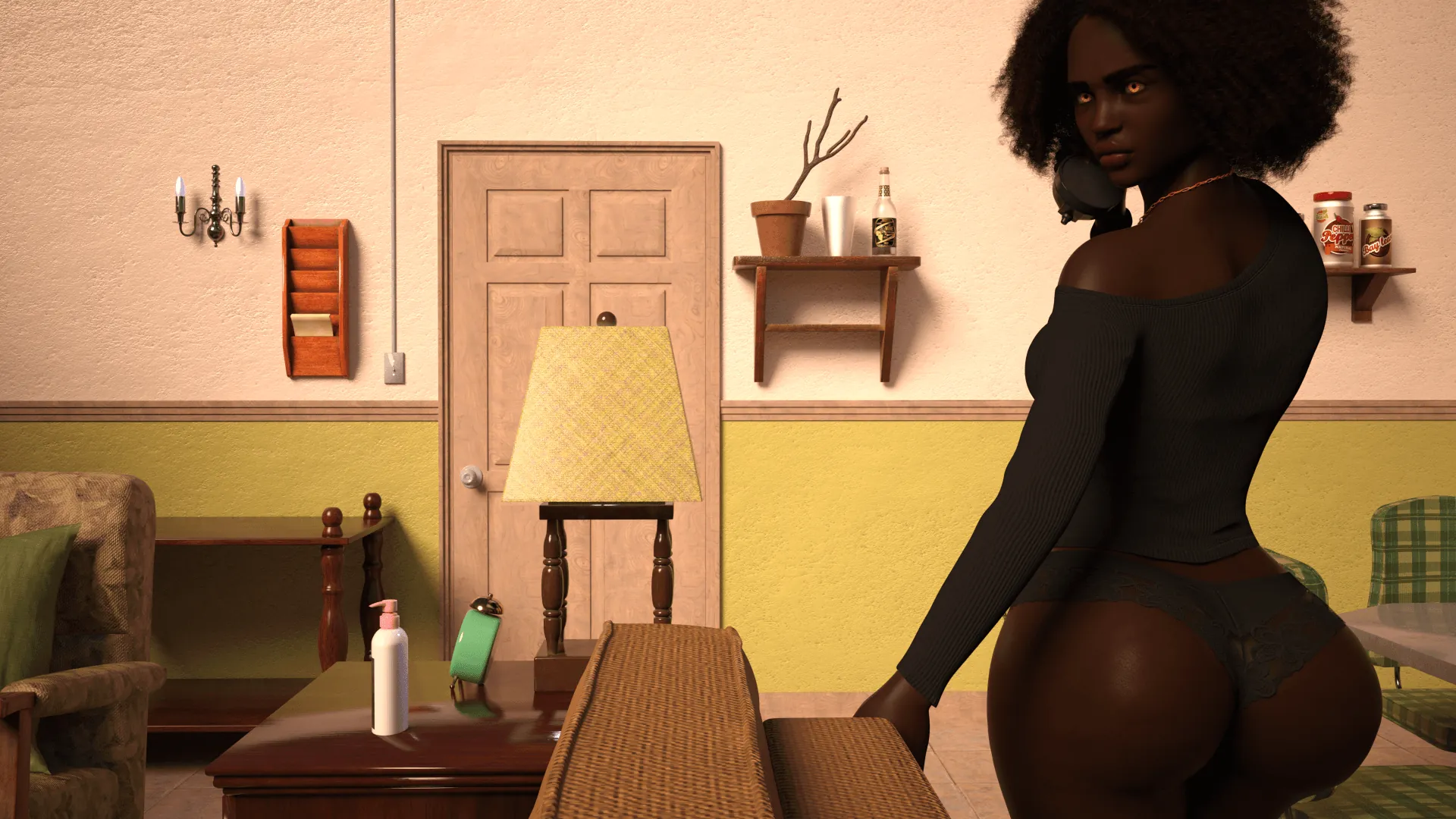
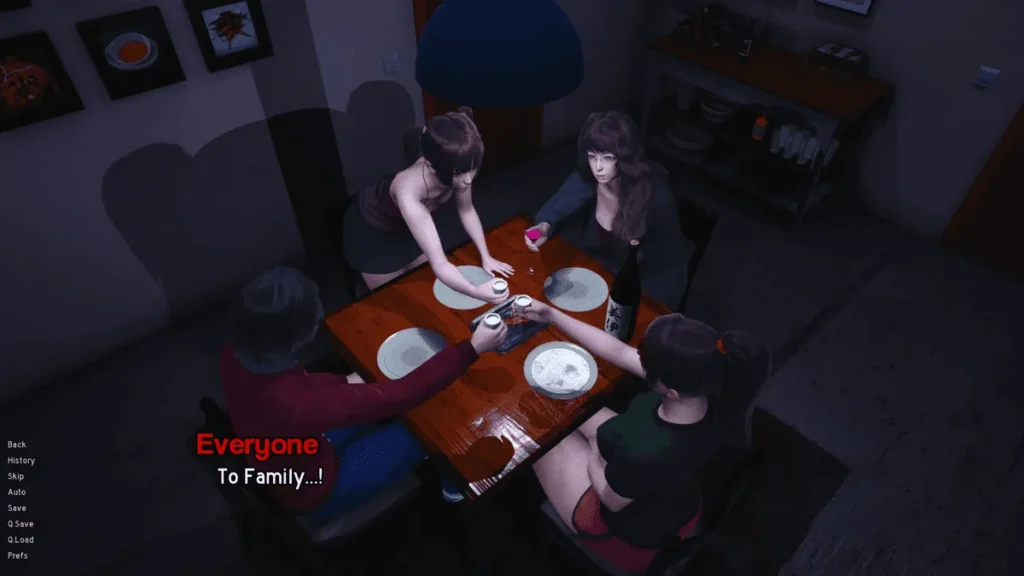
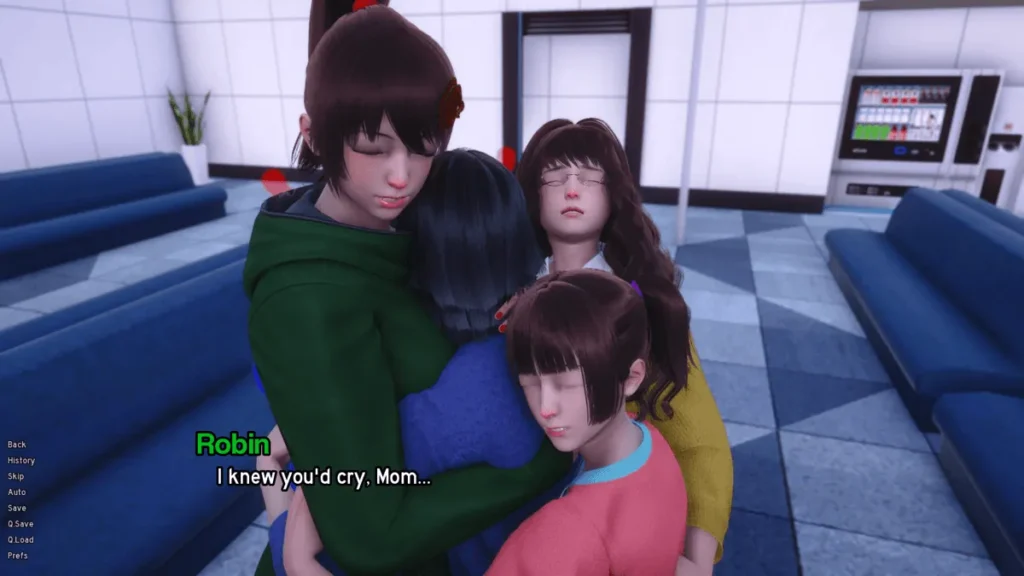
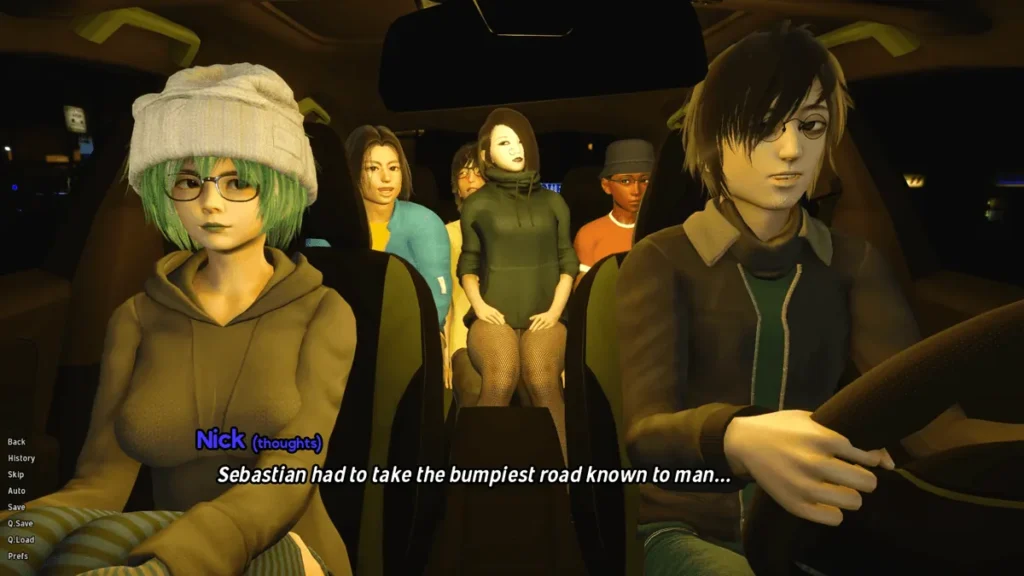
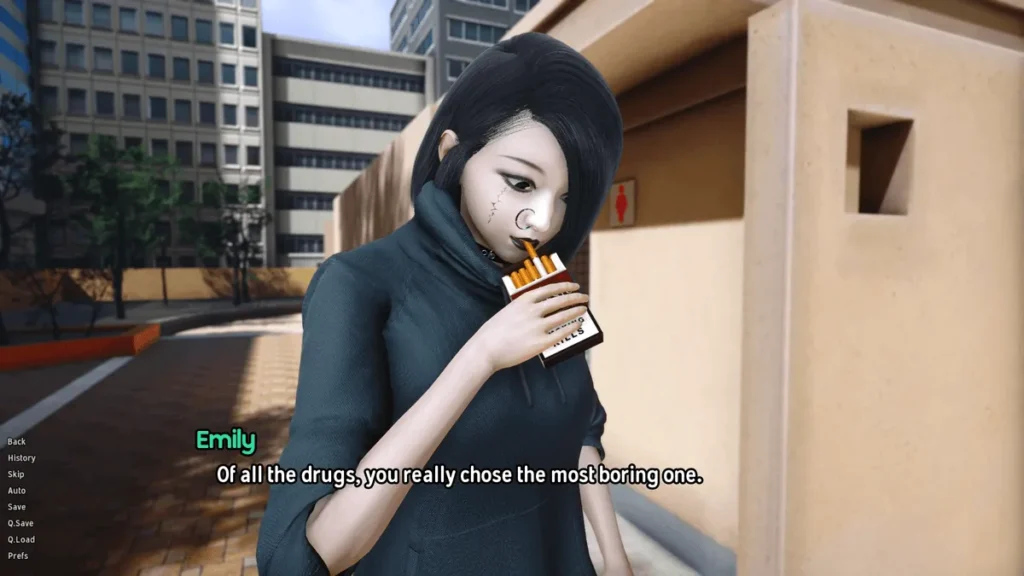
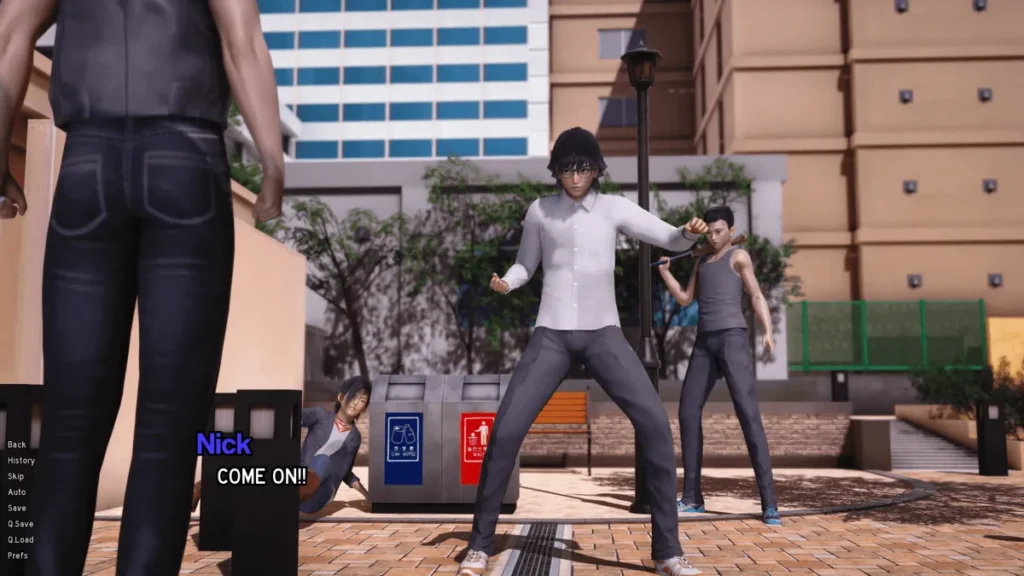
The game doesn’t hand you a simple plot. Instead, it immerses you in a series of vignettes from the life of its protagonist, Alex. You drift between serene, almost therapeutic moments in lush forests and gut-wrenching sequences in grim urban environments. The contrast is intentional and jarring. 🌳➡️🏙️
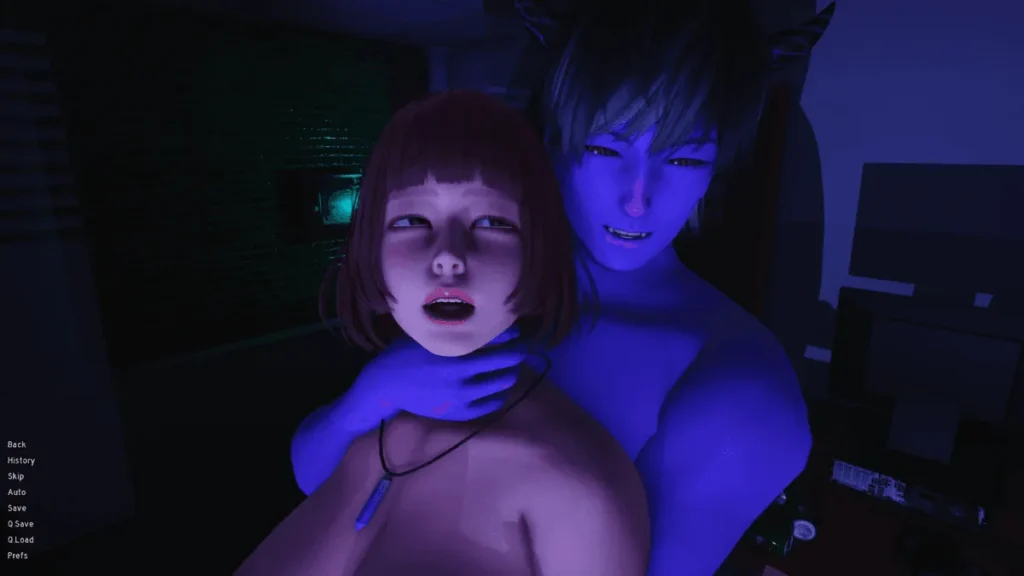
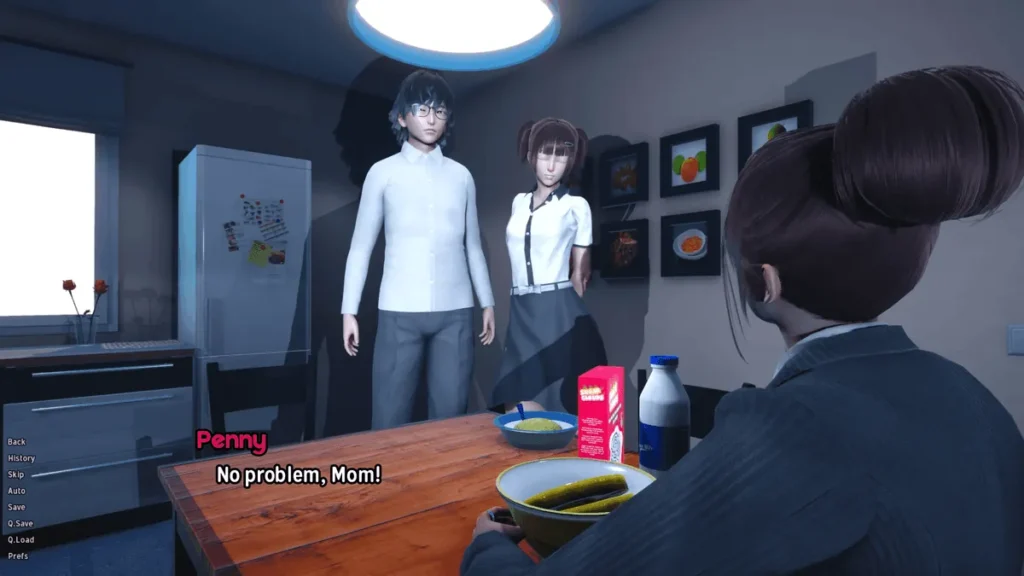
The narrative’s bravest choice is its focus on psychological tension over explicit action. A prime example, and the one that seems central to the sin within controversy, is the infamous “Day Six” moment. You witness a scene involving a man, his daughter, a naked woman, and a young girl. Crucially, nothing sexual is depicted. The horror and tension are purely situational and implied, born from awkward positioning, terrified expressions, and the player’s own imagination filling in the terrifying gaps. It’s a masterclass in uncomfortable implication, making you an active participant in the narrative’s moral ambiguity.
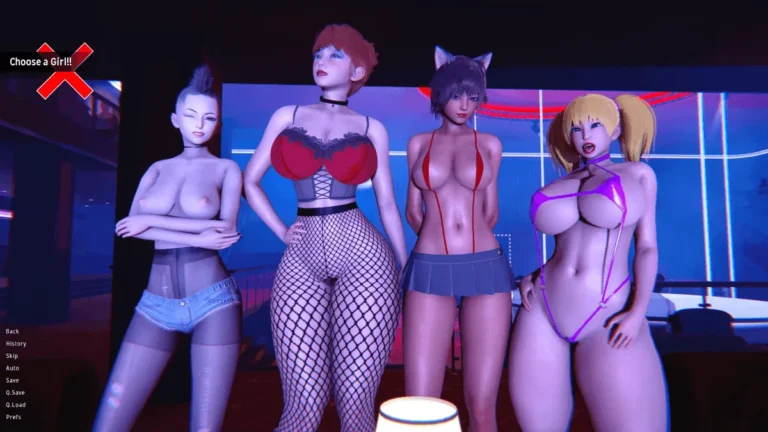
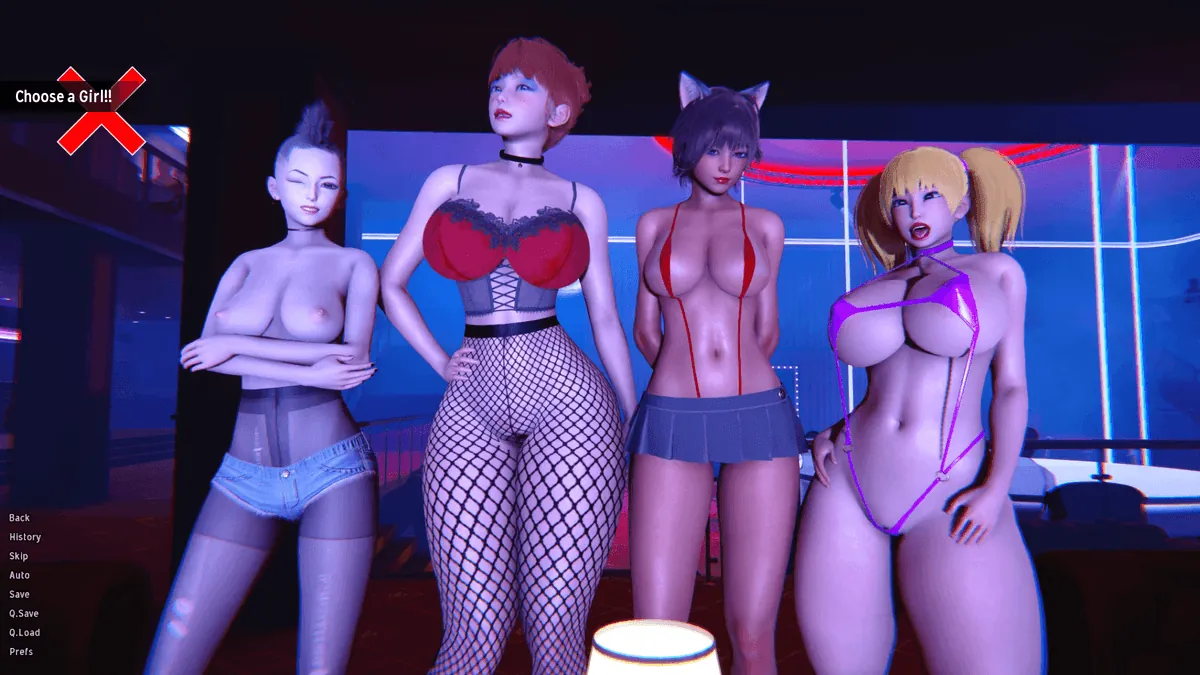
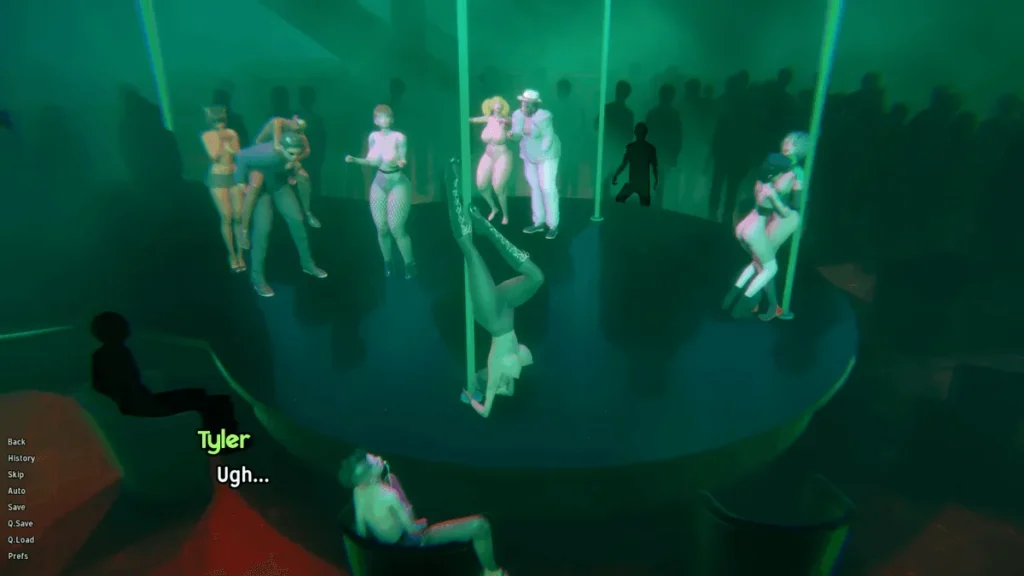
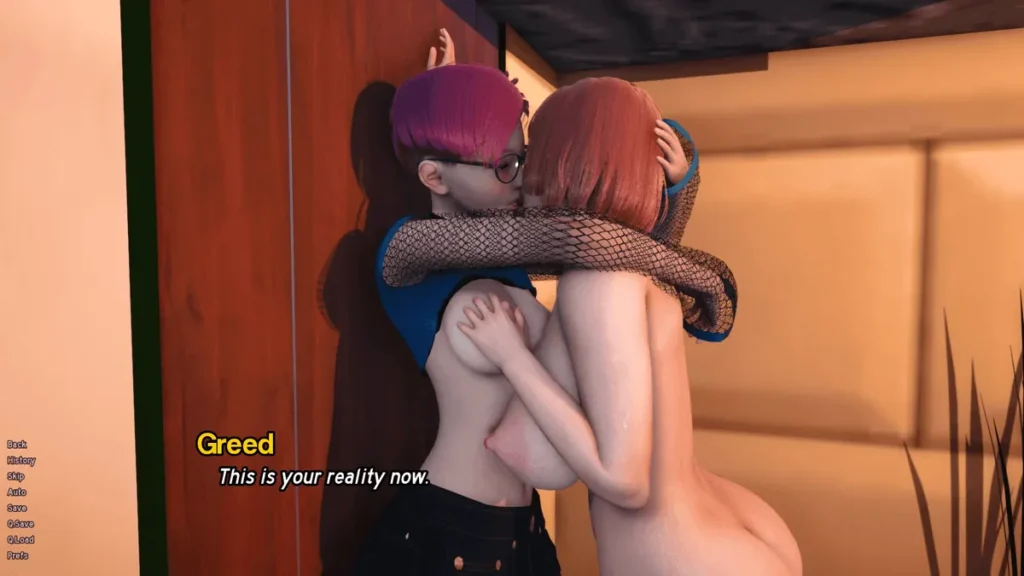
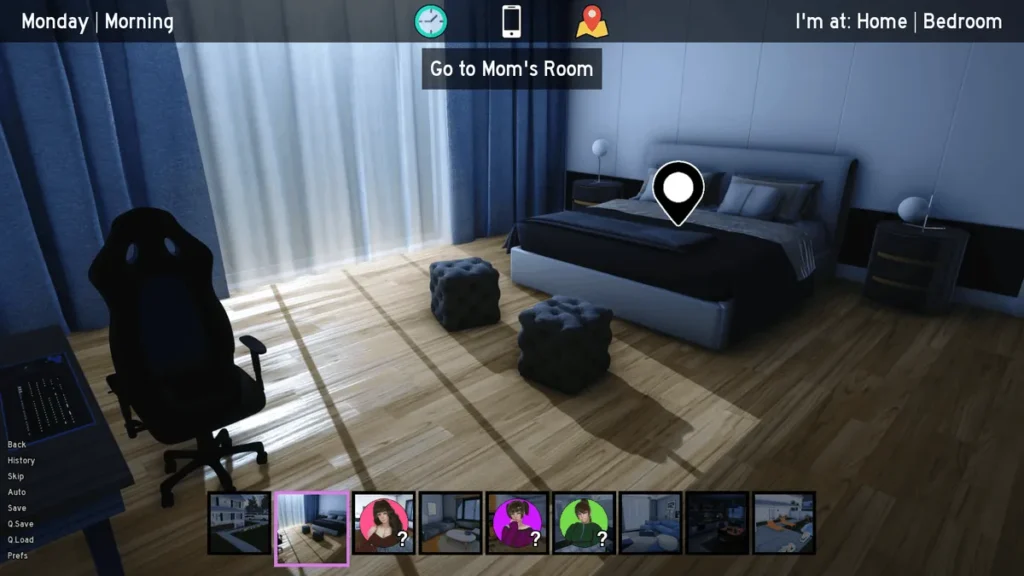
This is where sin within gameplay truly shines. You’re not just watching; you’re navigating these spaces, making small choices that feel weighty. The game prompts you with text, asking you to examine characters and environments. In one controversial segment, you’re in a strip club, and the prompts ask you to look at the dancers. The writing here has been critiqued as weak by some, but its intent is clear: it holds up a mirror. Are you examining these characters as people trapped in a system, or are you viewing them as objects? The game records your focus, making you complicit in your own way.
In my playthrough, I found myself constantly pausing, questioning my own cursor movements. Was I looking too long? Was I playing the “right” way? That meta-layer of self-examination is the game’s greatest achievement. It’s not about the titillation on screen; it’s about the sin within your own engagement with the material. The game posits that we are all part of the systems we critique, and that’s a profoundly challenging idea to interact with.
Why Did Steam Pull the Plug?
The journey of The Sin Within on Steam is a saga in itself. After the developers invested over $100,000 and years of work, the game was accepted, released, and then suddenly banned. The the sin within steam ban sent shockwaves through the indie community. 🚫 According to Valve, the game contained “adult content that wasn’t appropriately labeled.” But anyone who’s played it knows the issue is far more nuanced than a simple content label.
The ban appears to have been directly triggered by the “Day Six” scene and its thematic cousins. Valve’s automated systems and human moderators likely saw the juxtaposition of innocent and adult elements and made a quick, defensive call to remove it. The developers appealed multiple times, arguing that their game was a serious narrative exploration, not exploitative material. They emphasized the lack of actual sexual acts and the artistic intent. Their appeals were denied.
Here’s a breakdown of the central conflict:
| Aspect | Steam Concern | Developer Response |
|---|---|---|
| Content Nature | Feared as potentially exploitative due to the presence of minors in mature thematic contexts. | The content is non-sexual and uses tension to critique exploitation, not perform it. |
| Context & Intent | Judged on isolated scenes without full narrative context. | The scenes are essential to a cohesive story about guilt, memory, and societal failure. |
| Policies | Applied a broad “safety” policy to avoid legal and reputational risk. | Argued this sets a dangerous precedent for artistic expression and nuanced storytelling on the platform. |
In my opinion, the ban highlights a critical flaw in how large platforms handle ambiguity. The Sin Within lives in gray areas—the exact places where important art often resides. By removing it, Steam avoided a complex debate, but it also silenced a game that genuinely tries to make players think deeply about difficult subjects. It’s a classic case of a platform opting for the safest, least controversial path, even if it means mischaracterizing a work’s intent.
Player Reactions and Real Experiences
So, what’s it actually like playing sin within banned content? The reactions are fiercely divided, which is perhaps the surest sign the game is hitting its mark. 📊
Some players have dismissed it as edgy nonsense with clumsy writing. Others, like myself, found it to be a haunting and memorable experience. On forums and in reviews, you’ll find people passionately debating its merits. Many commend its unique vision and willingness to confront taboo subjects head-on. They speak of the lingering unease it creates, the way certain scenes replay in their minds not for their imagery, but for the ethical questions they pose.
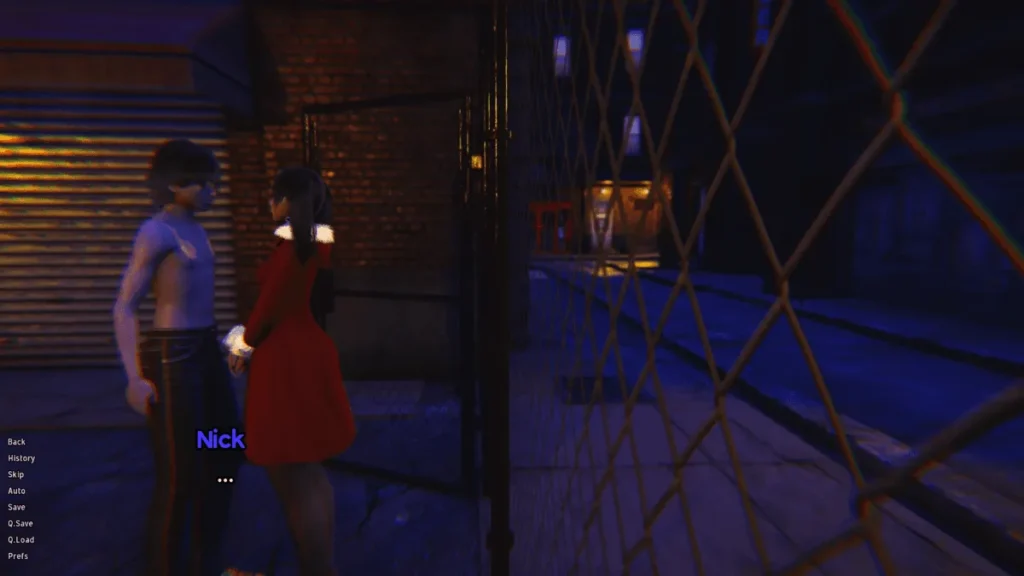
A common thread in positive reactions is the appreciation for its atmosphere. The shift from calm, natural environments to claustrophobic, tense interiors is consistently praised as a powerful storytelling device. The sound design and minimalist visuals work together to create a palpable sense of dread that isn’t reliant on jump scares.
My advice? Go in with an analytical mind, not a seeker of spectacle. Engage with it as you would a challenging film or novel.
If you’re now wondering how to experience this controversial title for yourself, the path is clear. Since the the sin within steam ban, the primary—and arguably most fitting—home for the game has been sin within itch.io. Itch.io has long been a sanctuary for experimental and boundary-pushing indie games, and the developers moved it there promptly after the Steam removal. Purchasing it there directly supports the creators and sends a message about preserving creative spaces for complex art.
Playing The Sin Within is an act of deliberate engagement. It’s not a casual pastime. It’s an invitation to probe your own limits and examine the uncomfortable corners of human interaction. The game stands as a bold, flawed, and utterly distinctive artifact in the indie landscape—a testament to what happens when creators dare to explore the shadows without easy answers.
FAQ
Is The Sin Within explicit or sexual?
No, not in a traditional sense. It contains mature themes and suggestive situations that create psychological tension, but it does not depict sexual acts. Its power comes from implication and the player’s own moral reasoning.
How can I play it since it’s banned on Steam?
You can purchase and download The Sin Within directly from its page on itch.io. This is the official and recommended way to access the game and support its developers.
What’s the main goal of the gameplay?
The goal is narrative immersion and introspection. You explore environments, examine characters based on text prompts, and piece together the protagonist’s state of mind. It’s more about experience and reflection than traditional “winning.”
Is the game just trying to be shocking?
While its content is certainly provocative, its stated intent (and the experience many players have) is to use that provocation to spark discussion about guilt, exploitation, and personal responsibility. It’s designed to make you think, not just to make you react.
Diving into ‘The Sin Within’ opened my eyes to how games can challenge our comfort zones and spark real conversations about creativity versus censorship. From its bold narrative pushing players to question their reactions, to the heartbreaking Steam ban after massive effort, this title embodies indie passion. My time with it—navigating tense scenes and pondering its deeper messages—left me advocating for its distinctive vision. If you’re up for something unconventional that prioritizes thought over titillation, track it down on platforms like itch.io. Give it a shot, reflect on what it stirs in you, and join the discussion shaping gaming’s future. Your experience might just redefine boundaries.